Town and Country Amenities & Everyday Lifestyle
December 4, 2025
December 4, 2025
What does daily life feel like in Town and Country? If you are picturing quiet streets, bigger yards, and errands that fit between meetings, you are on the right track. Many residents choose this West County city for space, privacy, and a low-key pace that still keeps you connected to St. Louis job centers. In this guide, you will learn how parks, trails, shopping, commutes, and everyday services come together so you can decide if the rhythm here fits your lifestyle. Let’s dive in.
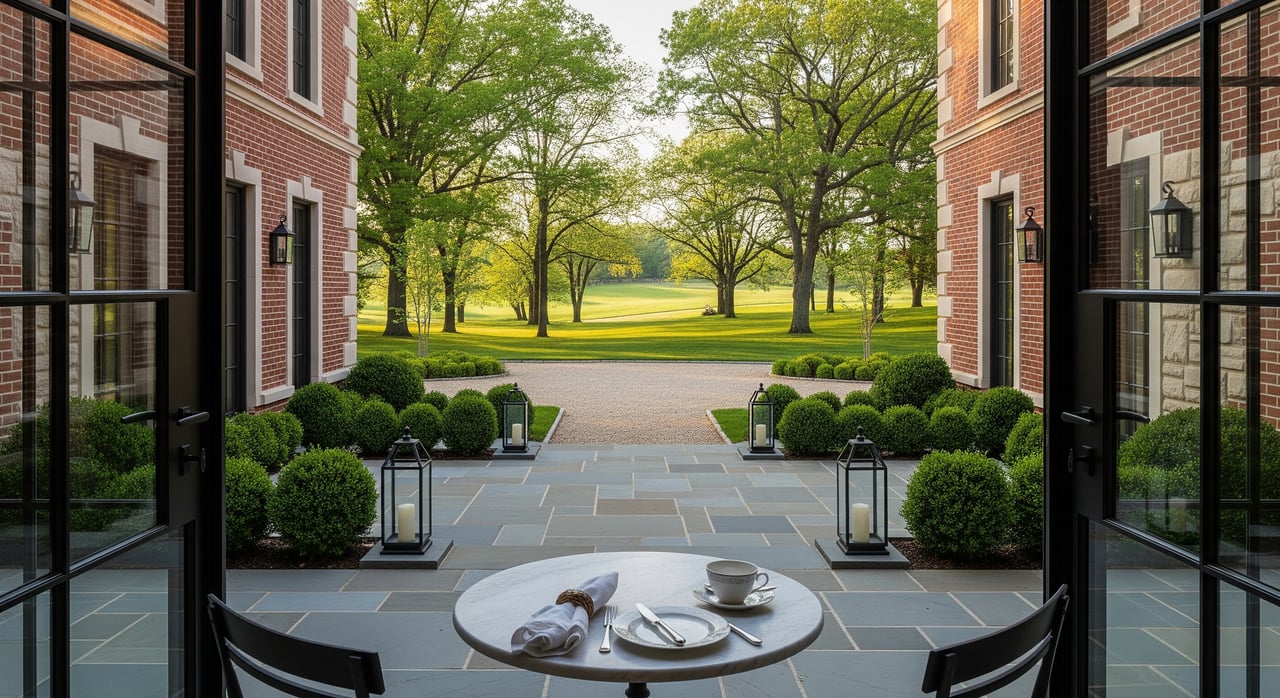
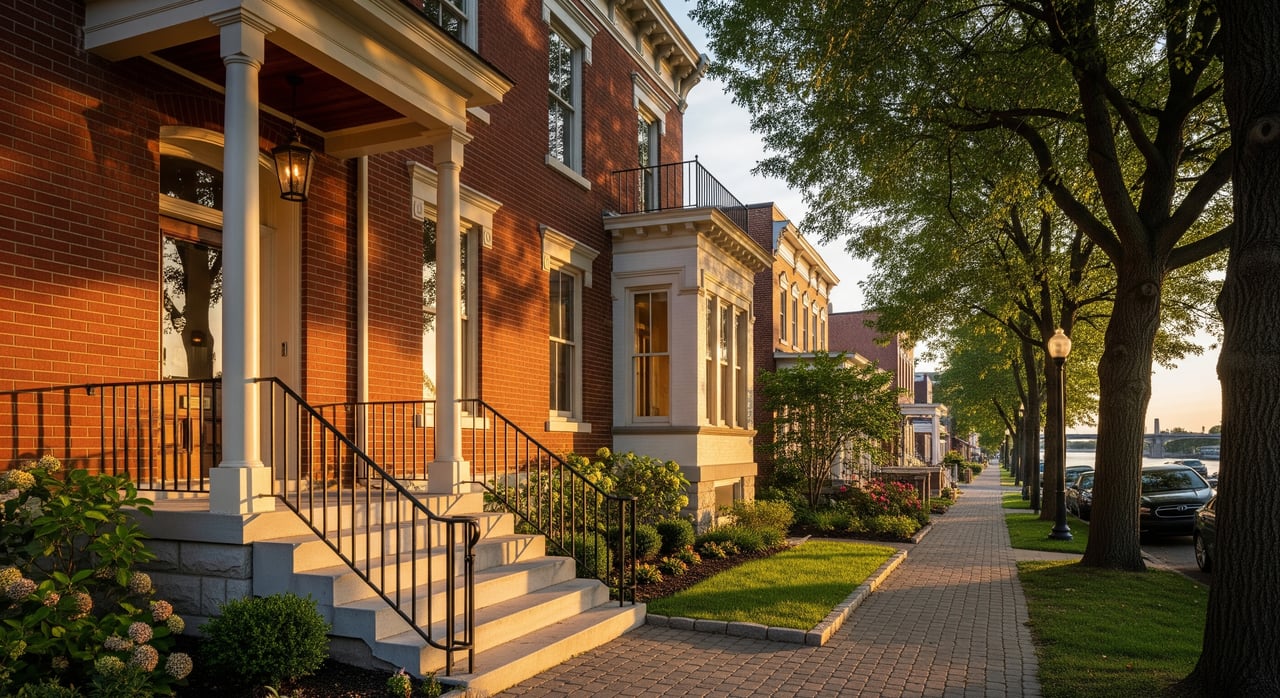
Town and Country sits in western St. Louis County within the West County subregion. The city is mostly residential, with pockets of commercial activity near major roads and highway interchanges. Homes tend to sit on larger lots than you find in many inner-ring suburbs, which creates a relaxed, green setting with mature trees.
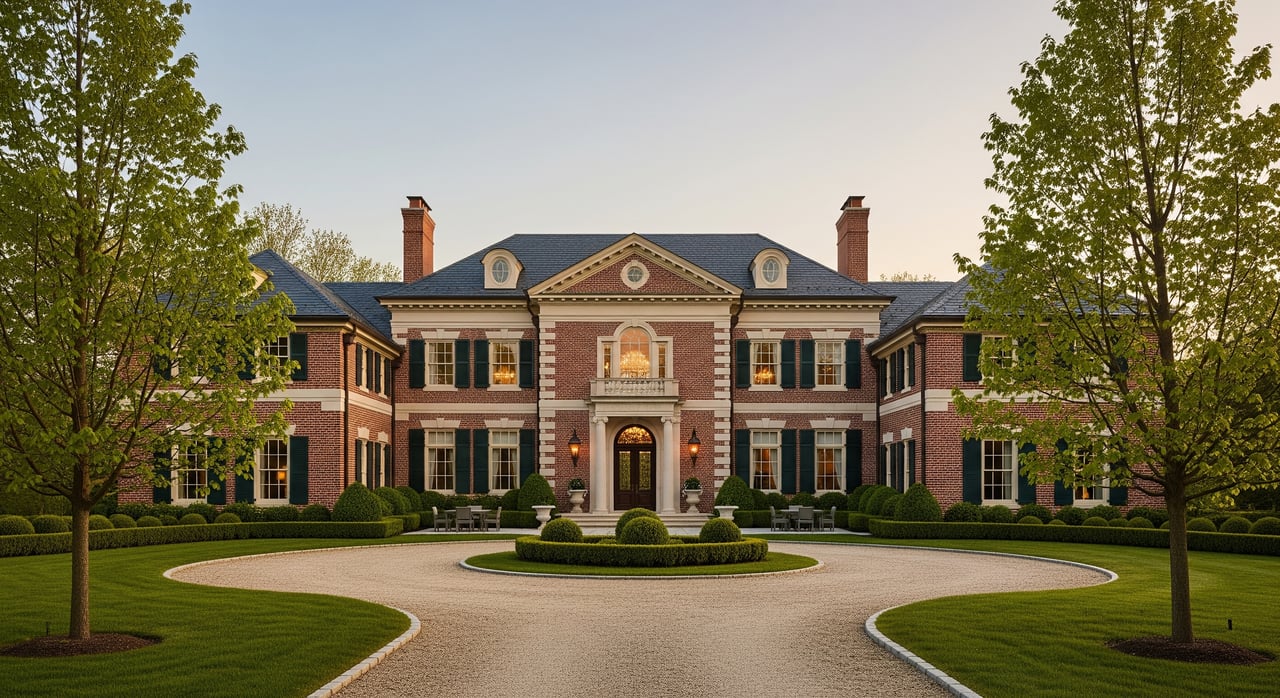
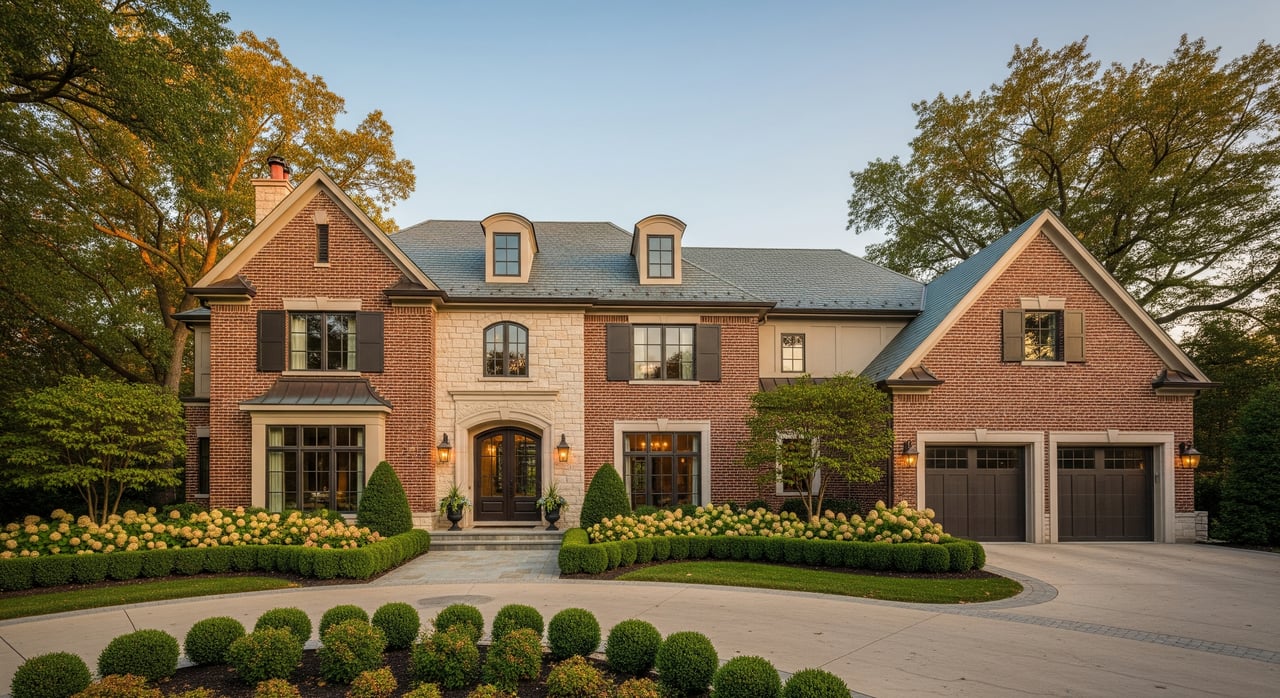
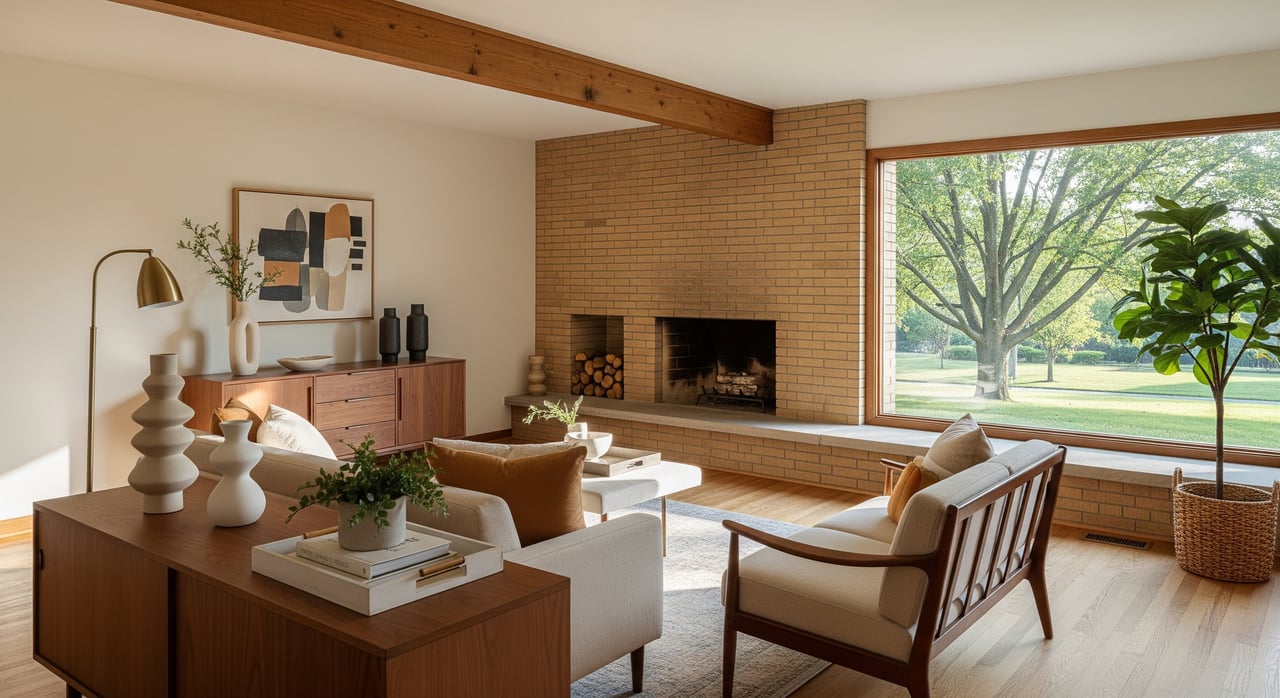
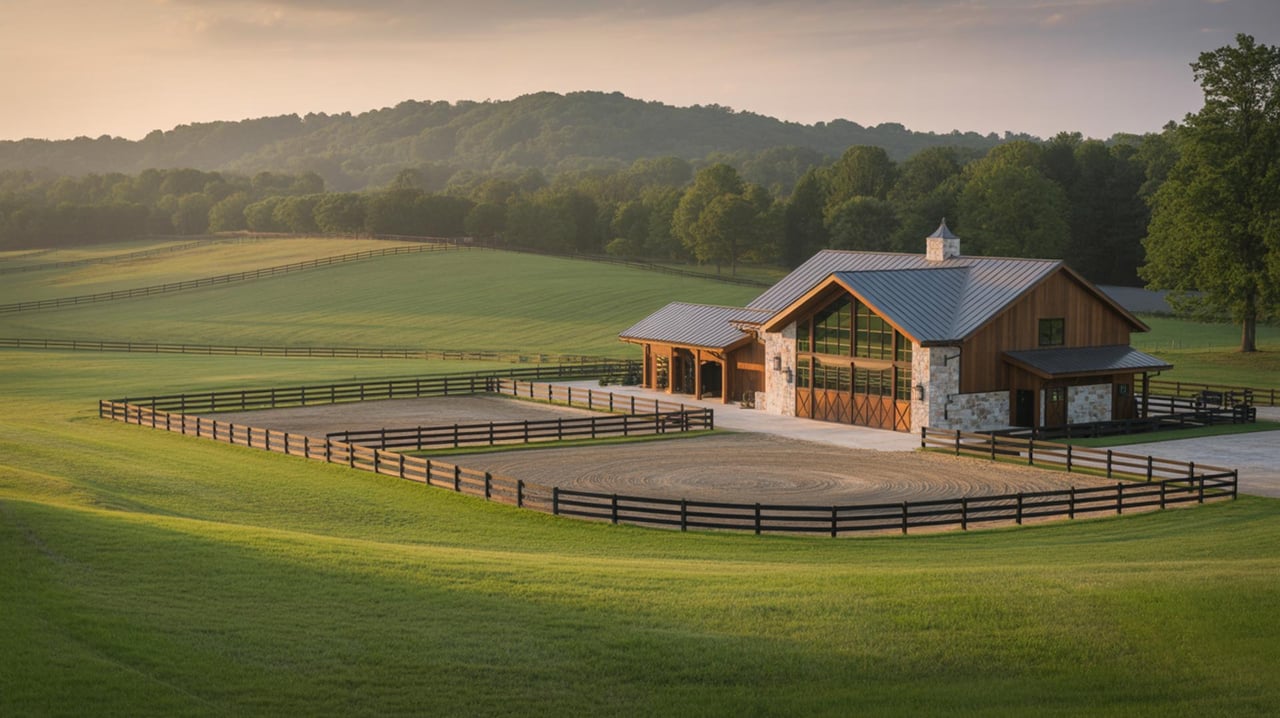
You will see a mix of established mid-century homes, updated estates, and newer custom builds. The overall feel leans suburban and country rather than urban. If you want more yard space, privacy, and a quieter street scene while staying within commuting distance of key employment areas, this community often makes the shortlist.
The city’s signature municipal park, Longview Farm Park, anchors local outdoor life. It offers walking paths, open fields, and space for laid-back play and meetups. Families appreciate the playground and green space, while anyone can enjoy an easy morning walk before the workday.
Before you plan a visit, check the city’s parks page for current hours, available amenities, and any reservation details for shelters or programs. Accessibility and parking are straightforward in most seasons, and the atmosphere stays calm even on weekends.
You are also within easy reach of larger St. Louis County and regional parks in nearby communities. Many residents tap into wider trail networks and lake recreation just a short drive from home. Local trails often connect to the regional greenway system managed by Great Rivers Greenway, which expands your options for longer runs and bike rides.
Trail surfaces and difficulty vary by segment, so it is worth checking current maps for paved versus natural paths, trailheads, and restrooms before you go. If you have a dog, confirm leash rules before visiting any park or greenway.
Town and Country does not have a dense retail core, which is part of its appeal. Instead, you will find convenient commercial pockets along the main corridors and at highway interchanges. For a broader mix, residents often drive a few minutes to nearby West County centers in adjacent suburbs.
A quick strategy that works well here: bundle errands on one corridor to save time, then leave weeknights free. The low-stress parking and straightforward access make it simple to get in and out.
Day-to-day services are close at hand, either within Town and Country or just over the border in a neighboring suburb. Pharmacies, urgent care options, pet care, and childcare are all part of the local landscape. Because the city’s land use is lower density, you will rely on car trips for most errands, but drive times are typically short.
If you work from home, the quiet residential setting and generous lot sizes are a plus for focus, outdoor breaks, and flexible schedules. Contractors, lawn services, and home maintenance providers are familiar with the area’s housing stock, which makes it easier to coordinate projects.
Town and Country is primarily car-oriented. Public transit options are more limited than in central city neighborhoods. Many residents use nearby interstates and arterials for weekday commutes and weekend trips.
Typical commute times vary with route and rush hour. If you plan to drive to central St. Louis or other major employment hubs, test a few sample drives at peak hours to set realistic expectations. You will find ample off-street parking in residential areas and surface lots in commercial nodes.
Public school boundaries can vary within Town and Country, which means different streets may fall into different districts. Private and parochial options are also available across West County. Because assignments, ratings, and enrollment policies can change, always confirm the specific district and school for your address through official boundary maps and district resources.
Use neutral criteria to guide your search. Consider commute, program offerings, and schedule fit. If you plan to move within the city, verify whether a potential new address would shift your school assignment before you make an offer.
You are within reach of hospital campuses, medical clinics, and urgent care centers that serve West County. Major regional systems operate facilities nearby, making it practical to handle routine appointments and urgent needs without long drives.
For everyday wellness, you will find fitness studios, walking loops at local parks, and easy access to regional trails. Many residents build a weekly routine around early morning walks, gym classes, and park time for kids or pets.
If you want privacy, outdoor living space, and room for add-ons like a pool or an addition, large-lot neighborhoods are a steady draw. Many homes feature mature trees and deep setbacks that create a sense of retreat.
Before you plan a major project, check zoning rules and any subdivision covenants that may affect additions, structures, or fencing. The same goes for outbuildings or sport courts.
You will also find newer construction and custom homes in select pockets. These properties appeal if you prefer newer systems, modern layouts, and lower immediate maintenance. Lot availability can drive teardown and rebuild activity, so understand any neighborhood design guidelines and permit timelines early.
Living closer to major roads cuts the drive to shopping, services, and highways. The tradeoff can be more traffic and less seclusion. Living deeper into the residential core buys you quiet and yard space, with slightly longer drives for errands. Decide which set of tradeoffs aligns with your day-to-day.
To save time, build a 20- to 30-minute loop for groceries, pharmacy, and coffee along your nearest main corridor. Because parking is simple and lots are close to storefronts, you can stack two or three stops without much delay. If weekends get tight, shift bulk shopping to weeknights and keep Saturdays for parks and dining.
If that sounds like your pace, the next step is to see a few streets and compare how different pockets feel at different times of day.
Choosing a home is about daily life, not just square footage. With design-first guidance and deep local knowledge of West County, you can zero in on the pockets that match your routine, your school needs, and your long-term plans. If you are selling, an elevated presentation strategy tailored to this market helps you capture attention and maximize results.
Ready to explore Town and Country on the ground and talk through listings, school boundary questions, and timing? Connect with Christine Neskar to schedule a consultation.
Stay up to date on the latest real estate trends.
Lifestyle
Discover the Best Attractions and Activities in Wildwood
With decades of experience, proven negotiation skills, and a deep understanding of the St. Louis market, this professional guides clients through smooth, successful real estate journeys.