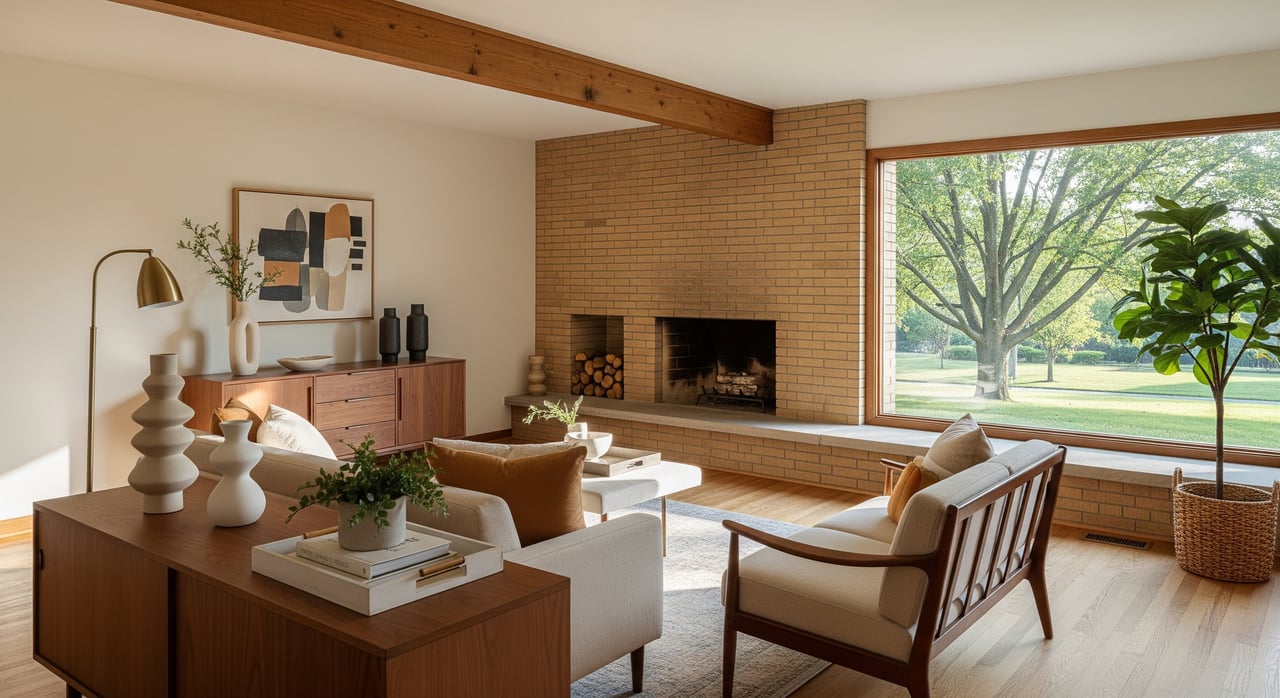
Design-Led 1970s Ranch Staging in Manchester, MO
November 6, 2025
November 6, 2025
Own a 1970s ranch in Manchester and want it to wow today’s buyers? You’re not alone. These single-level homes offer great light, practical layouts, and easy living, but dated finishes can hold them back. In this guide, you’ll learn design-forward staging moves that refresh your ranch without major renovations, so it photographs beautifully and shows even better. Let’s dive in.
Manchester buyers value single-level living, attached garages, and backyard access. Your ranch likely has big windows or sliding doors and an efficient footprint that works for many lifestyles. The right staging highlights these strengths while softening common issues like dark woodwork, busy flooring changes, or dated fixtures. Seasonal climate matters too, so plan breathable textures for hot, humid summers and layered textiles for colder months.
A fresh, neutral palette is the fastest way to modernize. Choose warm greige, soft taupe, or a true soft white in main living areas so rooms read brighter in person and online. In north-facing rooms, slightly cooler neutrals can balance blue light and keep spaces from feeling flat.
If you have popcorn ceilings you can’t remove, paint them a clean white to reduce shadowing. Dark wood paneling can feel heavy; if the surface is sound, paint it a light neutral for a big visual lift. If painting isn’t feasible, offset darker walls with lighter rugs, furniture, and art.
Painting dated, but solid, kitchen cabinets is a high-impact move compared with full replacement. Keep walls neutral and bring any bolder color through small accents. Clear visual clutter so cabinets and counters feel more current and functional.
The goal is layered, consistent light that feels warm and inviting. Replace dated brass or fussy fixtures with simple, contemporary pieces that fit the room’s scale. Add floor or table lamps to brighten corners and create a comfortable glow.
Layer overhead lighting with task and accent sources. Think pendants or under-cabinet lights in the kitchen, plus a reading lamp near seating. Remove heavy drapes, clean windows, and use simple blinds or light sheers to maximize natural light.
Use warm-white bulbs around 2700K to 3000K in living areas for an inviting feel. Keep bulb color consistent within each room to avoid odd color shifts in photos. If rewiring isn’t in the budget, portable LED lights can help fill darker areas for showings and photography.
Single-story homes feel larger when floors are visually unified. If hardwood exists and is salvageable, refinishing across the main areas is a strong upgrade. If you lack hardwood, a uniform neutral plank, such as luxury vinyl plank or engineered wood, creates a cohesive look, tolerates Midwest humidity, and is cost-effective.
If full replacement isn’t feasible, remove old carpet where possible and deep clean. Use coordinated area rugs to connect adjacent spaces and tone down busy patterns. For buyers sensitive to allergens, replacing old shag carpet can be a selling point.
Help buyers instantly understand how to live in your home. Choose mid-scale furniture that fits narrower rooms and keep pathways clear to show easy single-level circulation. Avoid oversized sectionals that block windows or doorways.
Thoughtful layers make dated finishes feel current. Mix textures like linen, cotton, and woven baskets for warmth without clutter. Swap dated hardware for modern brushed or matte metals. Use art and mirrors to open sightlines and reflect light, especially in smaller living rooms.
In kitchens, keep counters 70% to 80% clear, then add one plant, a bowl of fruit, and a few quality utensils. In bathrooms, stage with crisp, neutral towels and minimal accessories. If glass showers are not an option, choose a fresh, neutral curtain.
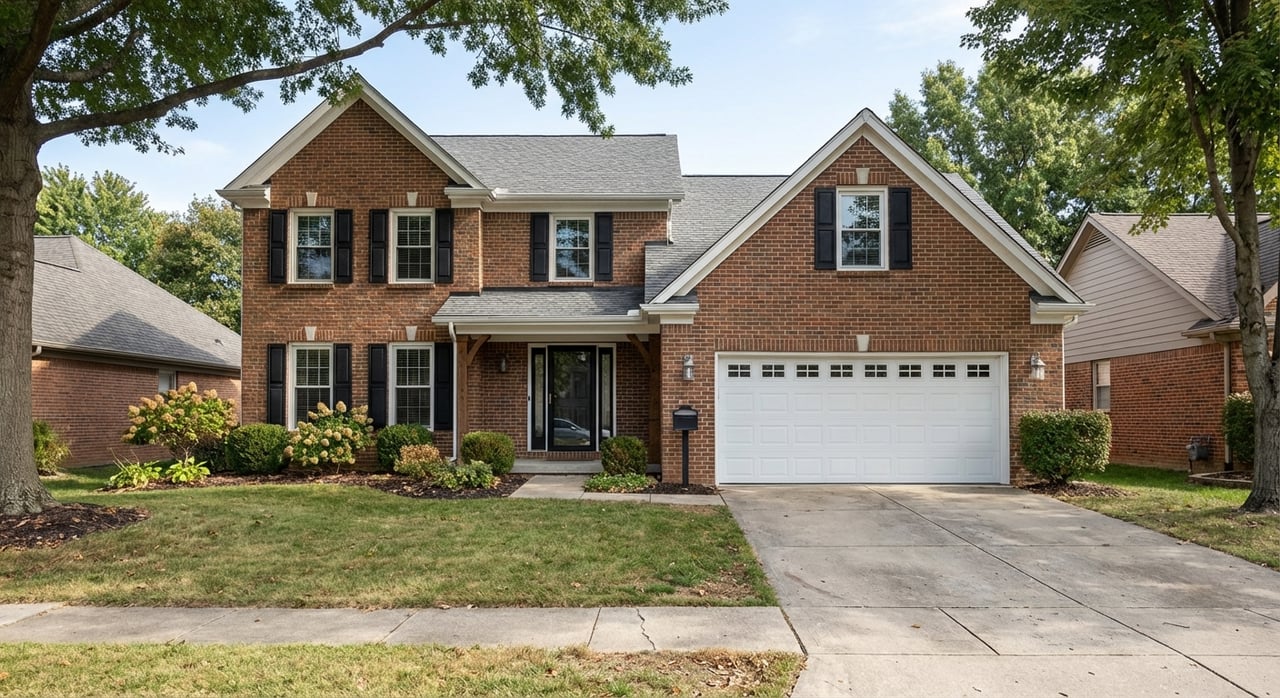
Your facade sets the tone. Clean and, if needed, paint the front door a restrained, complementary color. Update house numbers and door hardware if they look tired. Trim landscaping, add low-maintenance foundation plants, and set out seasonal planters. Power wash or repaint the garage door so it looks cared for, since it’s prominent on ranch facades.
Plan outdoor work with seasons in mind so you can photograph during the growing season when possible.
Prepare 24 hours before photos by finishing staging, decluttering, and depersonalizing. Turn on every light and open blinds to maximize brightness. Shoot late morning to early afternoon for balanced light.
If you must prioritize, focus first on steps with the highest perceived impact for Manchester buyers.
Paint, lighting swaps, and decluttering are low to moderate cost and deliver outsized visual gains. Flooring continuity and cabinet repainting cost more but can materially shift buyer perception. Industry groups report that staged homes typically sell faster and attract stronger offers. For exact ROI in Manchester, review recent local comps before you finalize your plan.
Get multiple quotes for painting, flooring, and electrical work, and ask for before-and-after photos of similar 1970s homes. A certified stager can tailor furniture rentals and merchandising to a ranch footprint. If any electrical or structural work is planned, consult the county building department for guidance on permits.
When you want a design-first approach with hands-on coordination, work with a local advisor who blends interior design expertise, professional merchandising, and a vetted vendor network to deliver polished presentation and smooth execution.
Ready to make your 1970s ranch in Manchester stand out? With smart paint choices, updated lighting, cohesive flooring, and purposeful space planning, you can transform dated cues into a fresh, move-in-ready feel that buyers respond to.
If you want a white-glove, design-led plan tailored to your home, reach out to Chris Neskar to Schedule a Consultation. From staging strategy to vendor coordination and polished marketing, you’ll have a single point of contact focused on your best result.
Stay up to date on the latest real estate trends.
Lifestyle
Discover the Best Attractions and Activities in Wildwood
With decades of experience, proven negotiation skills, and a deep understanding of the St. Louis market, this professional guides clients through smooth, successful real estate journeys.