Family-Focused Staging for West St. Louis County Homes
April 16, 2026
April 16, 2026
If you are selling a home in Ballwin or nearby west St. Louis County, staging for real life matters just as much as staging for style. In an area where single-family homes are the local norm and many buyers start their search online, your home needs to feel organized, welcoming, and easy to understand at a glance. The good news is that family-friendly staging does not mean making your home look sterile. It means helping buyers picture how the home works for everyday life. Let’s dive in.
Ballwin has a strong single-family housing base, with the city reporting 9,909 single-family homes among its housing stock and 12,079 households overall. The city is also closely tied to the broader west county market, including communities connected through the Parkway and Rockwood school district boundaries, which shapes how many buyers compare homes across Ballwin, Chesterfield, Manchester, and nearby suburbs. You can see that local housing context on the City of Ballwin overview page.
That matters because buyers in this part of west St. Louis County are often looking for homes that feel functional, comfortable, and ready for daily routines. In a market like Ballwin, where Redfin reports a median sale price of $400,000, average market time of 34 days, and a most competitive market, presentation still plays a major role. Buyers may move fast, but they are also comparing homes quickly and carefully.
If your budget or time is limited, focus on the spaces that have the biggest impact. According to the National Association of Realtors 2025 Profile of Home Staging, the most important rooms to stage are the living room, primary bedroom, and kitchen.
For sellers, that means your first staging priorities should usually be:
These are the rooms that help buyers understand how the home lives day to day. In Ballwin-area homes, that often means showing comfortable gathering space, clear dining function, and a kitchen that feels open and usable rather than crowded.
Your living room often sets the tone for the entire showing. Buyers should be able to walk in and instantly understand where furniture fits, how traffic moves, and how the room supports everyday life.
Use furniture that fits the scale of the room, not pieces that make it feel cramped. Keep walkways open, simplify decor, and create a conversation area that feels balanced. Since so many buyers first experience a home through listing photos, a clean and well-proportioned living room can make a strong first impression.
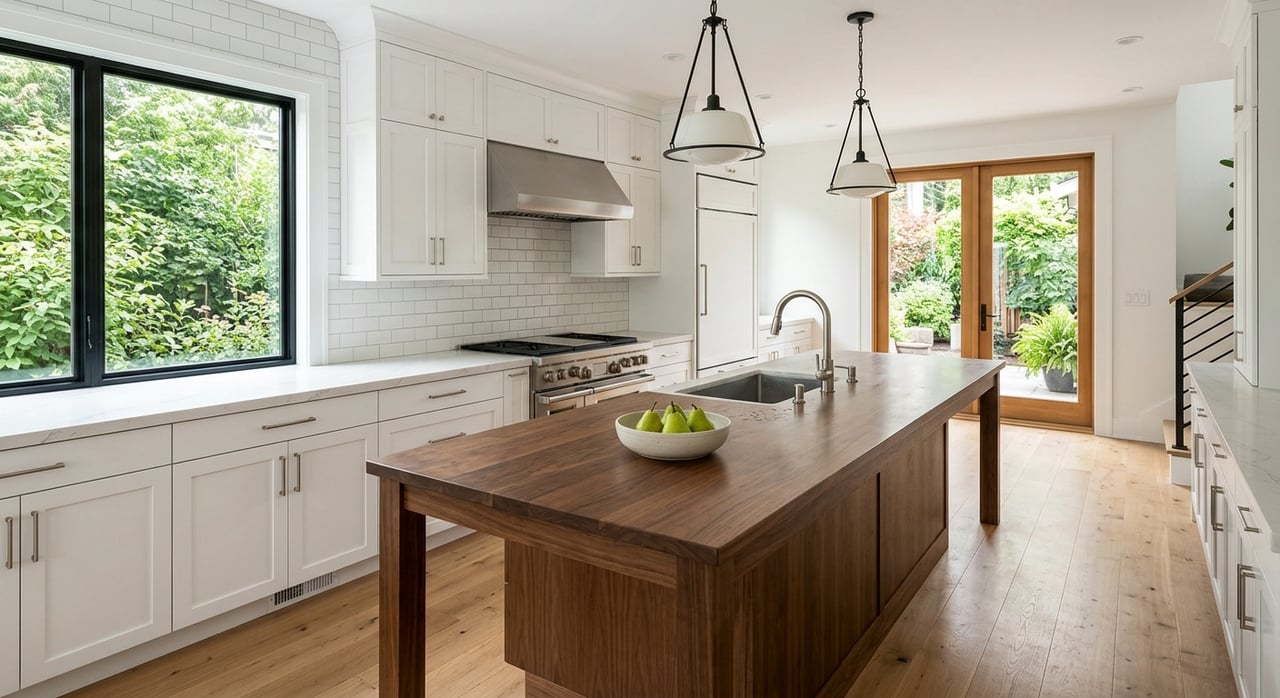
A family-friendly kitchen should read as functional, bright, and manageable. Clear counters, remove excess countertop appliances, and keep only a few simple accents in place.
The goal is to show workspace, storage, and flow. Buyers are not just judging finishes. They are imagining school mornings, weeknight dinners, and weekend routines. A kitchen that feels calm and efficient photographs better and feels more valuable in person.
Your primary bedroom should feel like a retreat, not a storage overflow zone. Use neutral bedding, reduce extra furniture if needed, and clear personal items from dressers and nightstands.
This room helps buyers connect emotionally to the home. It does not need to be elaborate. It just needs to feel spacious, settled, and easy to move into.
You do not need to stage children’s bedrooms as heavily as the main living spaces. In fact, the NAR staging report shows that children’s bedrooms are among the least commonly staged rooms.
That does not mean you should ignore them. It means you should simplify them. Take down highly specific themes, reduce wall clutter, and limit the number of toys on display.
A child’s room can still look lived in, but it should not feel visually busy. Keep bedding simple, organize books and bins, and leave open floor space where possible.
This helps buyers focus on the size and function of the room rather than the current occupant’s interests. It also allows the space to feel adaptable for future needs, whether that is a bedroom, guest room, or home office.
Online buyers care about photos, detailed property information, and floor plans. The NAR 2024 buyer highlights found that all buyers used the internet in their home search, and many found their home through online searching. That means your staging strategy should support both in-person showings and digital marketing.
When buyers scroll through photos, they should not have to guess what a room is for. If you have a flex room, breakfast area, loft, or finished lower level, stage it in a way that clearly shows its best use.
Use furniture placement to define each area. Avoid oversized sectionals, extra chairs, or décor that blocks pathways. A room that feels open and logical will usually look larger in photos and feel easier to understand during a showing.
This is especially helpful in family-oriented suburban homes, where buyers are often evaluating how the home supports a typical household rhythm. Ballwin’s average household size of 2.59 persons, according to the U.S. Census Bureau, supports staging that feels practical and livable rather than overly formal.
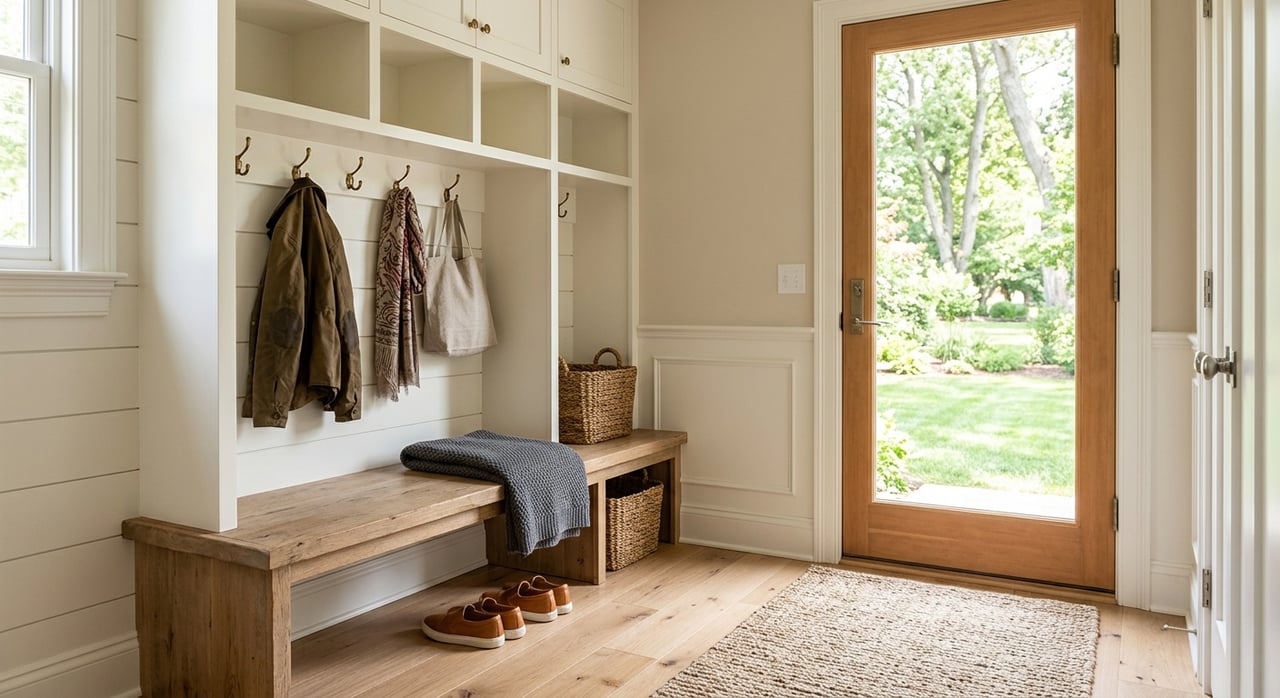
One of the smartest ways to stage a family home is to make everyday storage look easy. Buyers notice closets, entry zones, pantry shelving, laundry areas, and drop spots more than many sellers realize.
You do not need custom systems to make a strong impression. You need order, breathing room, and visual simplicity.
Pay extra attention to these spaces:
Clear out anything that makes storage look maxed out. A closet that is packed full suggests the home is short on space, even if it is not. A closet that is partly empty feels easier to live with.
For busy households, the best staging plan is one you can maintain. If your home can be shown with short notice, daily life gets less stressful and your listing stays ready for new buyers.
A simple nightly reset can make a major difference.
Try a quick routine like this each night:
This kind of reset supports both same-day showings and strong listing photos. In a competitive Ballwin market, staying ready matters.
Family homes naturally collect a lot of daily-life items. Instead of trying to hide everything permanently, use a simple staging bin system.
Pack away items you do not need every day, then rotate only what is necessary back into view. This works especially well for toys, seasonal gear, countertop extras, and bulky personal items.
The goal is not to erase personality. It is to remove distraction. When rooms feel calmer, buyers can focus on the home itself, including the light, floor plan, storage, and finishes.
That approach lines up with what buyers say they value online. Since photos and floor plans are such important tools in the search process, cleaner spaces help your marketing work harder.
A staged home should always look good in person, but today it must also look strong online. The NAR buyer survey shows that photos, detailed property information, and floor plans are key features for buyers. The NAR staging report also found that photos, videos, and virtual tours matter to clients.
That means staging is not just about decor. It is part of your marketing strategy.
Before photos, stand in each doorway and ask:
If the answer is no, simplify further. In many cases, less furniture and less decor creates a better result.
In west St. Louis County, many buyers are comparing suburban single-family homes that offer similar square footage, similar layouts, and similar daily-life needs. That is why staging can help your home stand out without making it feel artificial.
The most effective family-friendly staging in Ballwin usually comes down to a few core ideas:
When you combine design-aware staging with thoughtful marketing, your home is better positioned to connect with buyers quickly and clearly.
If you are preparing to sell in Ballwin, Chesterfield, Wildwood, Town & Country, or nearby west county neighborhoods, Christine Neskar offers a design-forward, hands-on approach to presentation, merchandising, and seller strategy that helps your home show at its best.
Stay up to date on the latest real estate trends.
With decades of experience, proven negotiation skills, and a deep understanding of the St. Louis market, this professional guides clients through smooth, successful real estate journeys.