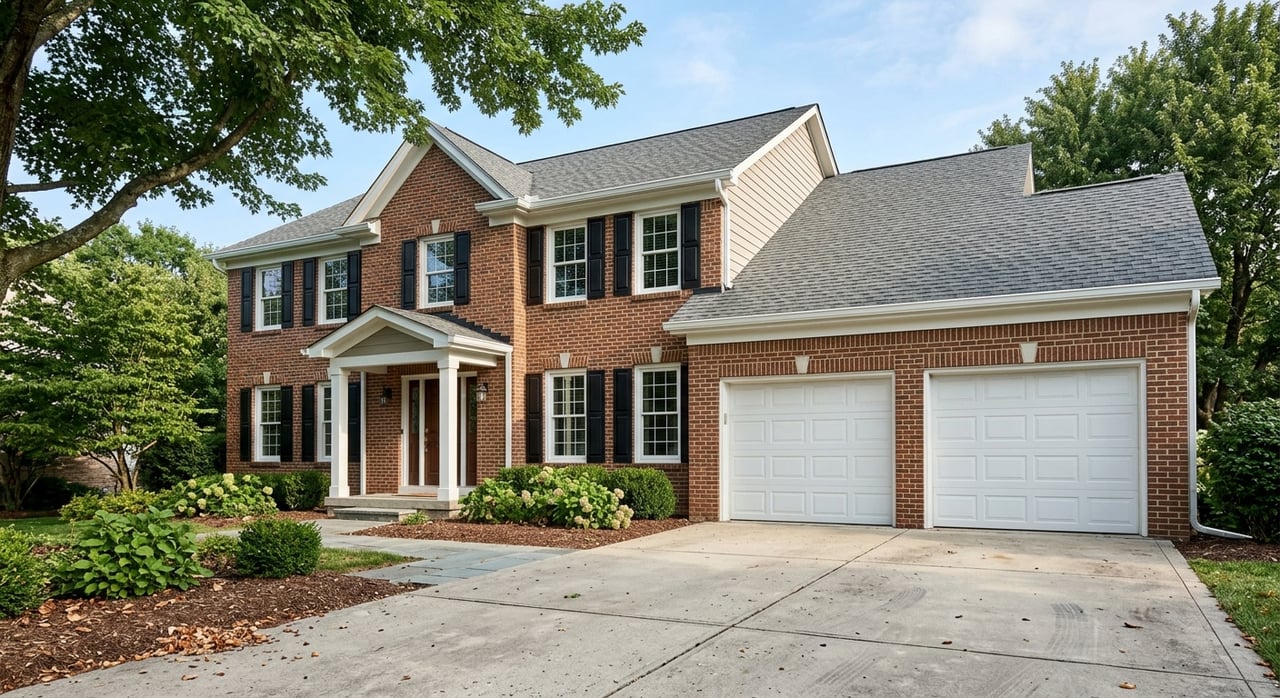
Smart Strategies for St Charles County Investment Property
April 23, 2026
April 23, 2026
Thinking about buying an investment property in St. Charles County? You are not alone. For many buyers, this part of the St. Louis metro feels like an appealing place to look for a first rental or a long-term hold because it combines population growth, strong household incomes, and a more stable suburban feel. The key is knowing how to evaluate the numbers, the city rules, and the property itself before you commit. Let’s dive in.
St. Charles County shows several signs of a steady suburban market. The county’s estimated population reached 426,499 in 2025, up from 405,262 in the 2020 census, and it had 172,409 housing units in 2024, according to U.S. Census QuickFacts for St. Charles County. The same source reports an owner-occupied housing rate of 80.5%, a median household income of $104,692, a median gross rent of $1,370, and 2,040 building permits in 2024.
Taken together, those figures point to a market shaped by established households, relatively strong incomes, and ongoing housing activity. That does not guarantee rental performance, but it does suggest that St. Charles County may appeal to investors looking for a suburban market rather than a highly renter-heavy or highly volatile one.
If you are considering a rental property here, it helps to understand the broader context. High owner occupancy often means you are buying in an area where many residents stay put, maintain their homes, and view the community as a long-term place to live.
The county data also suggests a level of household stability. According to the same Census county profile, same-house retention is close to 90% in the county, and broadband subscription rates are above 94%. Those trends may support tenant appeal for people who value commuting convenience and work-from-home readiness.
Not every part of the county looks the same on paper. If you are narrowing your search, it is smart to compare the city-level numbers and think about how they line up with your budget and strategy.
St. Charles city appears to be the most renter-friendly of the three markets highlighted in the data. The city has a 2024 population estimate of 72,458, an owner-occupied housing rate of 68.0%, a median owner value of $298,700, a median gross rent of $1,251, and a median household income of $85,937, based on U.S. Census QuickFacts for St. Charles.
Its smaller household size of 2.20 persons per household and lower owner-occupancy rate may suggest a broader mix of renters and smaller households. If you want a market with potentially wider rental demand, St. Charles may be worth a closer look.
O'Fallon stands out for income and rent levels. The city has a 2024 population estimate of 95,355, an owner-occupied housing rate of 81.0%, a median owner value of $326,200, a median gross rent of $1,443, and a median household income of $110,443, according to U.S. Census QuickFacts for O'Fallon.
Among the three cities, O'Fallon has the highest median rent and the strongest income profile. That can be attractive, but you will still want to weigh purchase price, maintenance, financing, and local compliance costs carefully.
St. Peters lands in the middle on many key measures. The city’s 2024 population estimate is 61,398, with a 79.0% owner-occupied housing rate, a median owner value of $269,900, a median gross rent of $1,321, and a median household income of $91,637, based on U.S. Census QuickFacts for St. Peters.
For some buyers, the lower median home value may make St. Peters feel like a more accessible entry point. If you are looking for a first investment property, that affordability difference could matter.
A good county or city profile is only the starting point. Rental performance depends on the specific address, the condition of the property, and the local rules tied to that home.
One useful reminder from the census data is that median selected monthly owner costs with a mortgage are higher than median gross rent across the county and these cities. That means your analysis should go beyond rent and purchase price to include taxes, insurance, maintenance, vacancy, financing, and turnover costs.
In St. Charles County, some of the most practical signals of tenant appeal are stability, commute patterns, and digital readiness. High owner occupancy, strong same-house retention, and high broadband subscription rates may support demand from tenants who want a suburban setting and reliable connectivity.
That is especially relevant if you are buying a long-term hold. A property that fits common lifestyle needs, such as reasonable commute access and functional work-from-home space, may be easier to position in the market.
Condition matters in every market, but it matters even more where city oversight is active. Local government pages show that rental investors should expect formal code oversight, especially during turnover.
The City of St. Charles Code Enforcement page explains that the city focuses on property maintenance standards and zoning enforcement. The City of St. Charles Occupancy Inspections page states that long-term rentals require occupancy inspections before the first tenant and between tenant changes.
O'Fallon also requires residential rental occupancy permits before a unit is occupied, as noted on the city’s building permits and rental information page. In St. Peters, rental properties must be registered and inspected, with occupancy inspections before move-in and re-inspections if violations remain, according to the research provided.
For you as a buyer, that means a low purchase price alone is not enough. You should also budget for repairs, inspection-related updates, and a turnover timeline that leaves room for city approvals.
Property type can influence both your budget and your management plan. The city rules referenced in the research cover a range of residential rental types, including single-family homes, townhouses, condos, duplexes, apartments, and multifamily dwellings.
That gives you options, but each comes with its own practical considerations. A detached home may attract one type of renter, while a townhouse or smaller multifamily property may create a different cost and maintenance profile. You will also want to confirm any HOA rules and occupancy requirements tied to the specific address.
Property taxes are not something to estimate casually. Missouri real property is assessed at 19% of true value, and market value is determined as of January 1 of each odd-numbered year, according to the Missouri State Tax Commission definitions page.
The same source notes that the assessed value generally carries into the following even year unless there is new construction or an improvement. For investors, that means taxes can shift after renovation, new construction, or reassessment, which can affect your actual carrying costs.
If you are updating a property or buying one that has changed significantly, make sure your projections reflect that possibility. Tax treatment is one of the reasons careful underwriting matters so much in this market.
It can be, especially if you are comfortable analyzing more than just the rent estimate. The county and city profiles suggest stable suburban demand, population growth, and incomes that may support a long-term hold strategy.
At the same time, this is not a market where you should assume easy cash flow on every deal. Inspection requirements, turnover timing, taxes, insurance, financing, and deferred maintenance all need to be part of your decision.
If you are considering an investment property in St. Charles County, focus on a process that is disciplined and property-specific:
A local real estate advisor can help you narrow the search and evaluate how a property fits your goals. If you want a thoughtful, detail-driven approach to buying in selective St. Charles County markets, Christine Neskar can help you assess opportunities with clarity and confidence.
Stay up to date on the latest real estate trends.


With decades of experience, proven negotiation skills, and a deep understanding of the St. Louis market, this professional guides clients through smooth, successful real estate journeys.