Manchester MO Lifestyle and Homes for Everyday Living
June 4, 2026
June 4, 2026
If you are looking for a suburb that feels established, practical, and easy to live in, Manchester, MO deserves a closer look. Daily life here is shaped by neighborhood parks, a strong base of detached homes, and a shopping corridor that keeps errands and services close at hand. Whether you are planning a move, comparing west St. Louis County communities, or thinking about selling in Manchester, this guide will help you understand how the city lives day to day. Let’s dive in.
Manchester is a compact west-county suburb about 15 miles west of St. Louis, with roughly 18,000 residents in about 5 square miles. That smaller footprint gives the city a connected, neighborhood-oriented feel while still offering access to major roads and regional amenities.
The numbers also point to a stable community. Census data shows a median age of 38.2, median household income of $97,801, and a mean commute time of 21.4 minutes. About nine in ten residents lived in the same home a year earlier, which suggests many people put down roots and stay.
That stability shows up in the pace of everyday life. Manchester tends to feel more established than transitional, with daily routines built around home, work, parks, school resources, and nearby shopping rather than a downtown entertainment scene.
Manchester is largely a detached-home market. Census Reporter shows that 75% of homes are owner-occupied, 78% are single-unit structures, and the median owner-occupied home value is $323,100.
For you as a buyer or seller, that translates into a classic suburban housing profile. You are more likely to find neighborhood homes with yards, driveways, and established streetscapes than a dense condo-heavy setting.
Manchester’s history helps explain why the housing stock feels varied. The city dates back more than 200 years, was incorporated as a village in 1950, and expanded through annexations in 1997 and 1999.
That timeline points to an older core paired with later suburban growth. The result is a mix that can include long-established neighborhoods, homes from different decades, and subdivisions that reflect changing layout preferences over time.
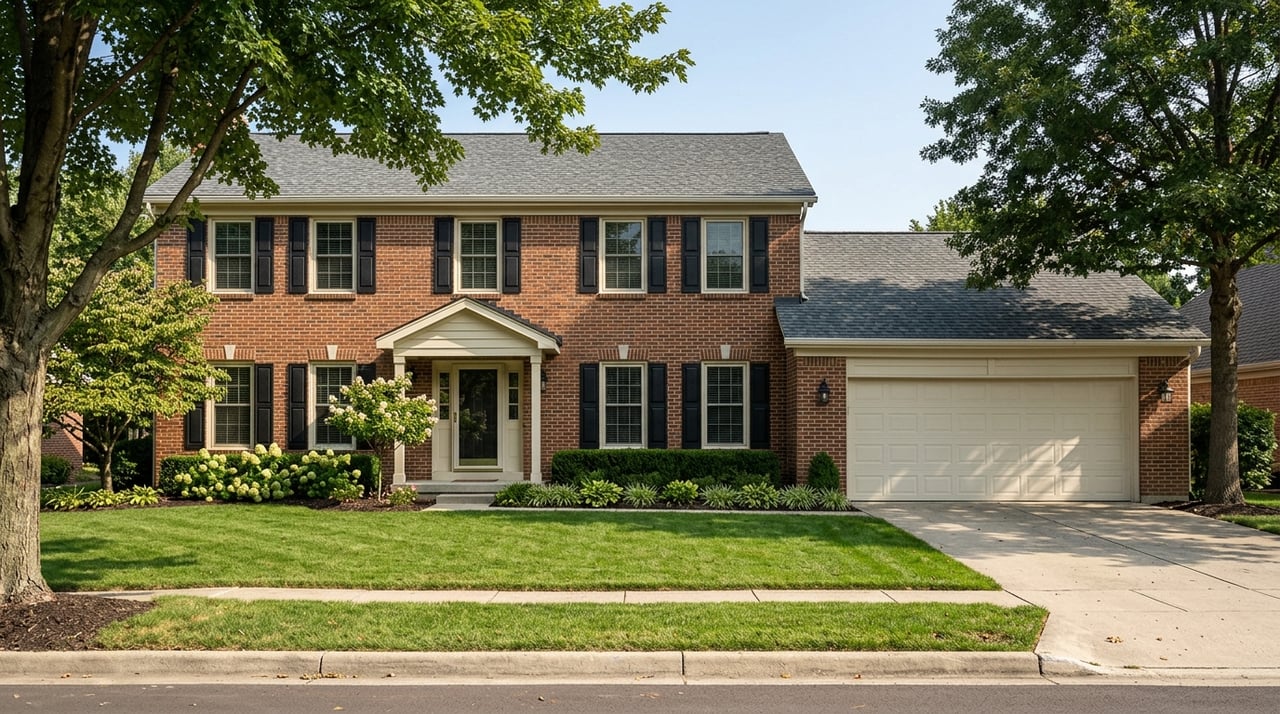
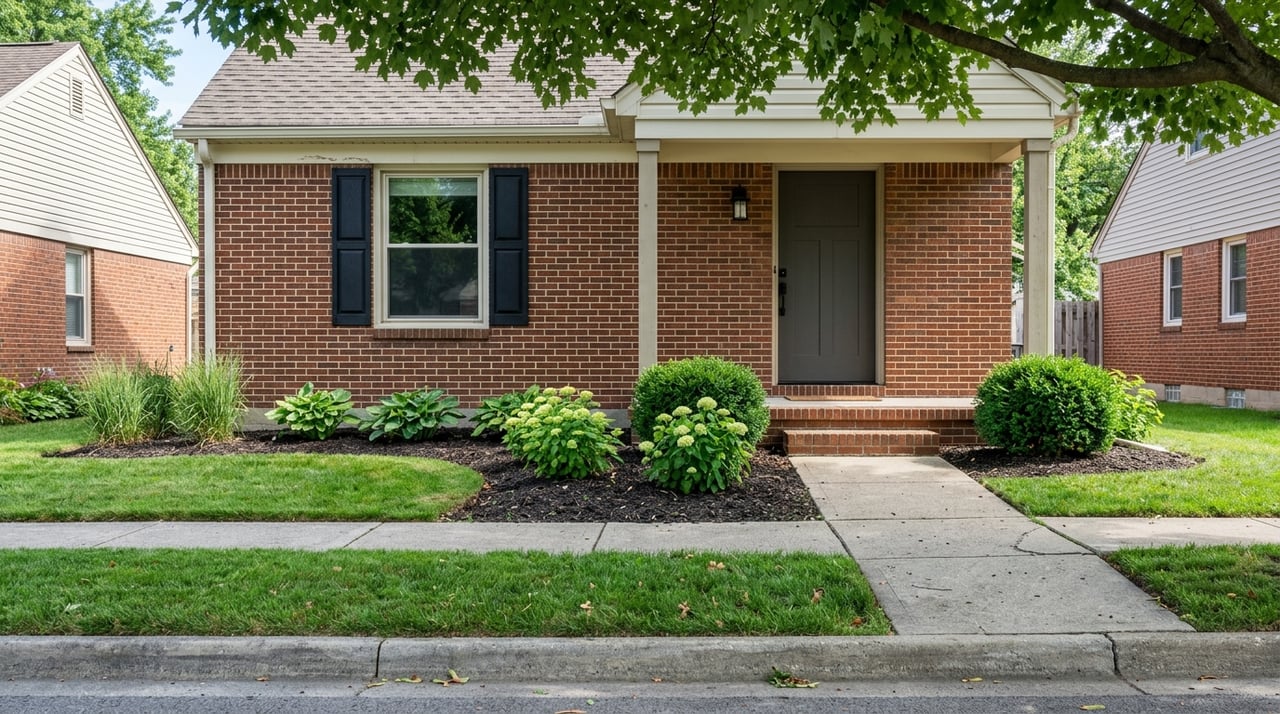
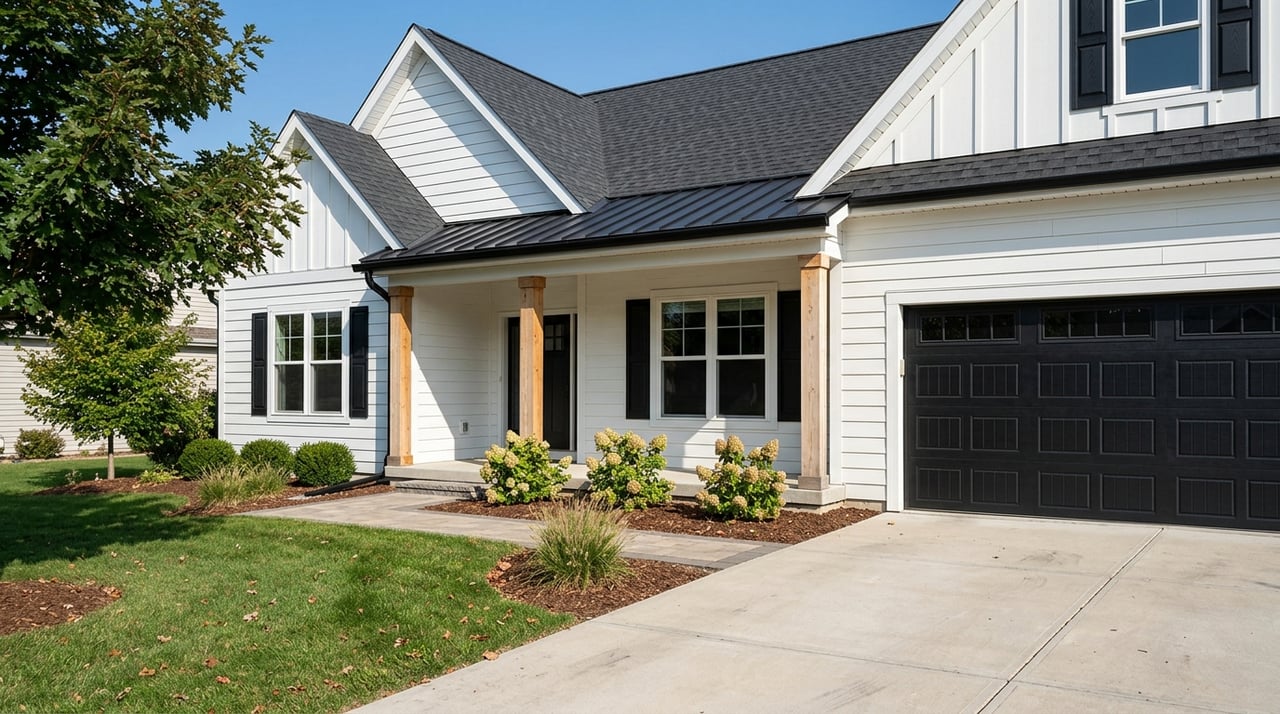
Based on the city’s growth pattern and current listing examples, Manchester buyers will often come across ranch, 1.5-story, and 2-story homes. While this is not a formal architectural survey, it does reflect the practical range many buyers expect in a west-county suburban market.
This variety can be useful if your needs are changing. You may be looking for one-level living, more room to spread out, or a traditional two-story layout with flexible space for work, hobbies, or guests.
A varied housing base tends to support different life stages without changing the overall neighborhood feel. In Manchester, that means the home search often centers on layout, lot, updates, and convenience rather than on choosing between completely different types of living environments.
For sellers, that same pattern can be a strength. When buyers already like the area’s everyday convenience and established feel, presentation becomes even more important because they are comparing homes within a familiar suburban setting.
Manchester’s lifestyle is practical in the best sense of the word. It offers the kinds of everyday resources that can make routines easier, from parks and library services to shopping and regional road access.
Rather than revolving around one central downtown district, the city functions through well-used neighborhood assets and major corridors. For many households, that makes Manchester feel efficient and easy to navigate.
The city promotes six parks and recreation sites, all free and open from sunrise to one-half hour past sunset. Those sites are Schroeder Park, Margaret Stoecker Park, Seibert Park, Baxter Acres Park, Pierremont Pocket Park, and Terri Sue Fussner Field.
Schroeder Park is the main recreation hub. It includes the Parks & Recreation office, an aquatic facility, amphitheater, courts, disc golf, and reservable spaces, giving residents a central place for both everyday recreation and community events.
The other parks add neighborhood-scale value. Margaret Stoecker Park includes a veterans memorial, and Seibert Park features native plants after an ecological makeover, which adds to the city’s well-kept, civic feel.
A major community resource is the Grand Glaize Branch of the St. Louis County Library on Meramec Station Road. The renovated branch offers meeting rooms, study rooms, public computers, Wi-Fi, a business center, and a children’s area.
That range of amenities makes the library useful for many kinds of routines. If you work remotely, need a quiet place to focus, or want flexible public resources close to home, this is the type of everyday asset that can shape how a community feels to live in.
Manchester is closely connected to Parkway Schools. The district says it serves all or parts of Manchester, and both Parkway South High School and Hanna Woods Elementary are located in the city.
The city’s arts council adds another layer to community life through performances, exhibits, public art, and related programming. Together, these resources support a lifestyle that feels active and community-oriented without feeling overly busy.
Manchester Road is the city’s main shopping and service corridor. The city says there are more than 300 businesses in Manchester, and commercial activity is concentrated along this corridor.
One major retail area is Manchester Highlands, which includes Walmart, Costco, and other stores. For many residents, that means everyday errands, household shopping, and routine services can stay close to home.
This commercial pattern is part of what makes Manchester practical. Instead of relying on a single town center, residents often move through the city by using Manchester Road and other key routes for shopping, dining, services, and appointments.
That can be especially appealing if you value convenience over novelty. In a suburban market, easy access to routine needs often matters just as much as the home itself.
Manchester Road is also getting mobility upgrades. A 2026 pedestrian improvement project will add sidewalk improvements, ADA landing pads, crosswalks, and five MetroBus stop upgrades between Route 141 and Baxter and Sulphur Springs.
Projects like this can make everyday trips more comfortable and functional. Even small improvements in walkability and access can add value to a corridor people use often.
Regional access is a key part of Manchester’s livability. City planning materials reference Interstate 270, Missouri 141, Big Bend Road, and Manchester Road as major arterials that shape how people move through the area.
That road network helps explain why Manchester works well for people who want suburban living with practical access to surrounding parts of west St. Louis County and the broader region. The city is not isolated, but it also does not depend on an urban core to feel connected.
For many buyers, that balance is a major advantage. You can have an established neighborhood setting while staying within a manageable commute range, with average commute times around 21.4 minutes according to census data.
Manchester tends to appeal to buyers who want a stable suburban setting with detached homes, established neighborhoods, and easy access to everyday services. If you value consistency, practical amenities, and a community that feels settled, the city checks many of those boxes.
It can also appeal to sellers whose homes fit that lifestyle story. In a market where buyers are often comparing similar suburban options, details like layout, upkeep, updates, and presentation can help your home stand out.
This is where local strategy matters. Understanding how buyers experience Manchester day to day can shape everything from pricing and preparation to the way your home is introduced to the market.
If you are buying in Manchester, pay attention to the relationship between the home and daily convenience. A property’s access to parks, library resources, Manchester Road services, and major commuter routes can all affect how it fits your routine.
If you are selling, think beyond square footage alone. In an established suburban market, buyers often respond strongly to homes that feel well cared for, functional, and visually clear from the start.
Manchester’s housing mix also means presentation should match the home’s style and likely buyer. A ranch, a 1.5-story home, and a larger two-story property may all appeal to different needs, even within the same city.
When you pair local market knowledge with thoughtful preparation, you can tell a stronger story about how a home lives. That is often what helps buyers picture themselves there.
If you are considering a move in Manchester or nearby west St. Louis County, working with a local advisor who understands both the market and the importance of presentation can make the process much smoother. For tailored guidance on buying or selling, connect with Christine Neskar.
Stay up to date on the latest real estate trends.
With decades of experience, proven negotiation skills, and a deep understanding of the St. Louis market, this professional guides clients through smooth, successful real estate journeys.