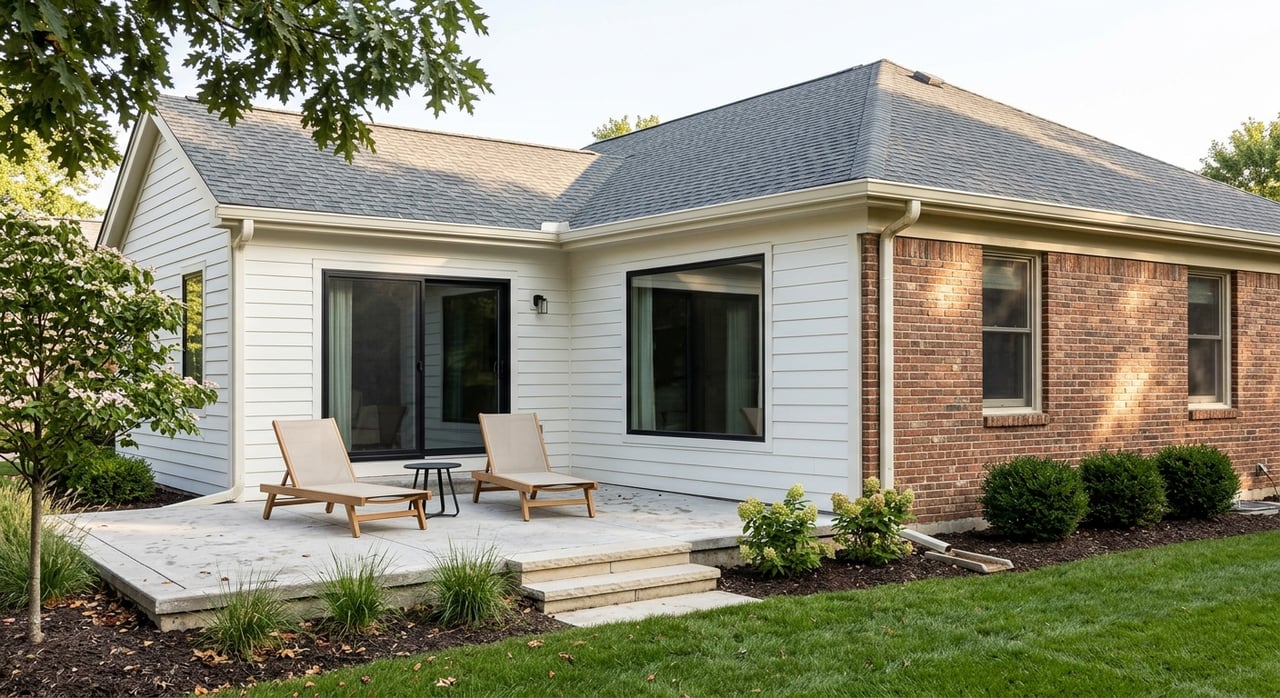
Renovate or Move in Town and Country? What to Consider
July 9, 2026
July 9, 2026
Wondering whether you should update your current home or start fresh with a move in Town and Country? It is a big decision, especially in a market where home values are high, inventory can move quickly, and renovation costs can add up fast. The good news is that the right answer usually becomes clearer when you look at your goals, your home’s condition, and the local numbers. Let’s break down how to think through renovating or moving in Town and Country.
Town and Country is a high-value, mostly owner-occupied market. Recent Census QuickFacts report an owner-occupied housing rate of 86.5%, a median value of owner-occupied homes of $928,500, and a median household income of $232,534.
Recent Redfin data also shows a fast-moving local market. Over the last three months, the median sale price was $999,402, homes spent a median of 5 days on market, and the average sale-to-list ratio was 100.6%.
That matters because both choices come with real trade-offs. If you move, you may face strong competition and higher replacement costs. If you renovate, you need to be careful about how much you spend and what type of work you choose.
Renovating often makes sense when you already love your location, lot, and basic structure. If your home works well overall but feels dated, lacks function, or needs better flow, updating can be a smart path.
That lines up with national remodeling behavior as well. According to the 2025 Remodeling Impact Report, homeowners most often remodel for better functionality and livability, followed by durable materials and aesthetics.
There is also a quality-of-life side to the decision that matters. In the same report, 64% of owners said remodeling gave them a greater desire to be in the home, and 46% reported increased enjoyment after the work was done.
If you plan to stay for several years, that personal value can be just as important as resale math. A well-planned renovation can improve how your home lives every day, even if it does not return every dollar at resale.
Renovation is usually the better fit when your goals include:
Not all renovations perform the same way. If resale is part of your thinking, the 2025 Cost vs. Value Report for the West North Central region offers a helpful benchmark for Missouri.
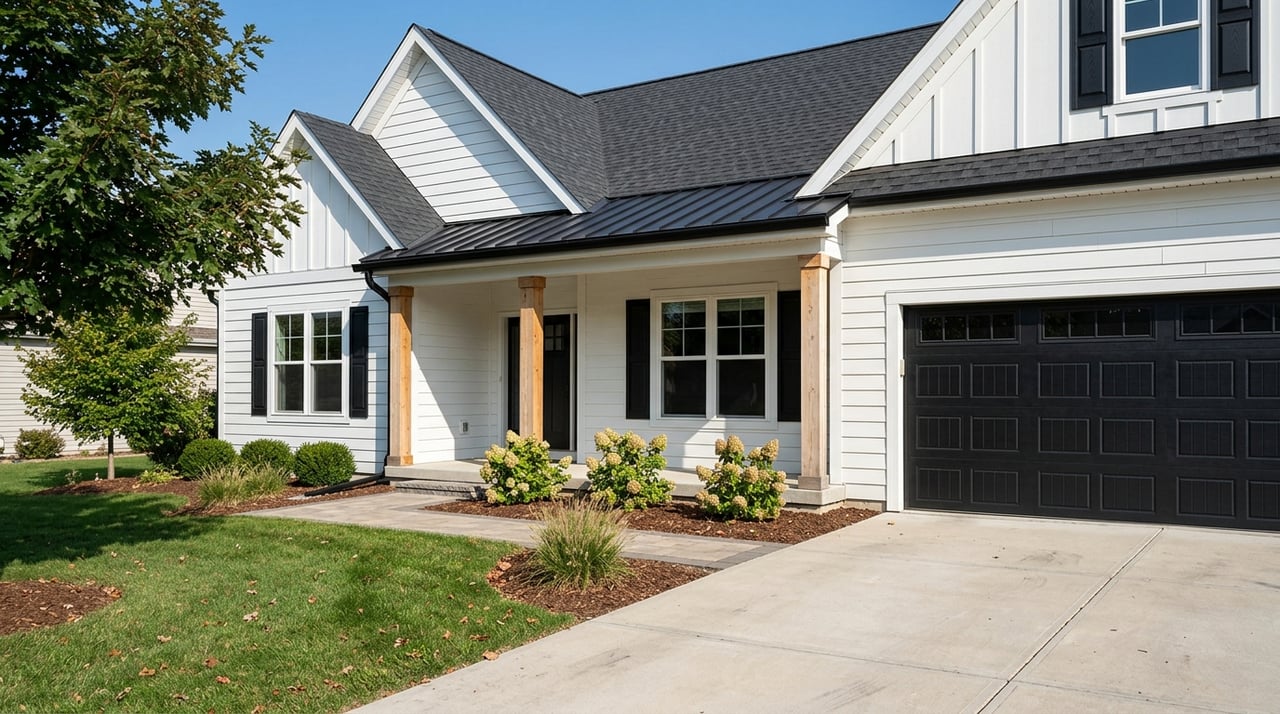
The strongest returns came from lower-scope exterior improvements rather than large luxury additions. Garage door replacement recouped 224.5% of cost, steel entry door replacement recouped 198%, manufactured stone veneer recouped 177.3%, and fiber-cement siding replacement recouped 103.3%.
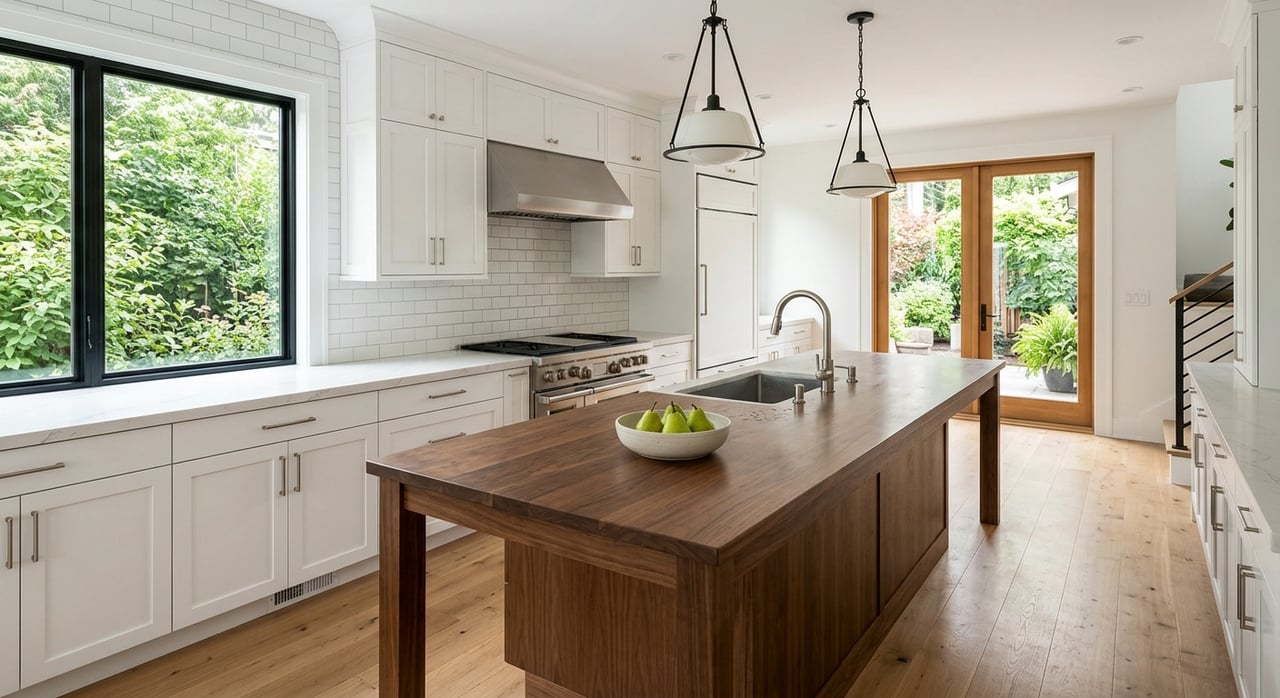
By comparison, larger high-end projects recovered much less. A major kitchen remodel recouped 58.9%, while an upscale primary suite addition recouped only 20.6%.
That does not mean you should never tackle a kitchen or suite project. It means you should go in with clear expectations about whether the goal is personal enjoyment, resale positioning, or both.
If you want improvements that may support both enjoyment and marketability, focus first on projects like:
Sometimes the issue is not condition. It is fit.
If you need much more square footage, a very different layout, or a major structural change, moving may be the cleaner answer. Large additions and extensive floor plan changes can involve long timelines, permit complexity, and a lot of disruption at home.
This is especially important in Town and Country, where significant projects may require a signed building permit application, two sets of plans, a digital copy, and in some cases a Missouri-registered architect or engineer seal. Exterior changes may also require contact with subdivision trustees, and new impervious additions require water-runoff and green-space calculations.
For larger remodels, the city’s rules can add cost and coordination. The permit application notes that permits are valid for one year, projects with a construction valuation of $50,000 or more require a $5,000 street-guarantee escrow before permit issuance, and plumbing, electrical, and elevator work must be completed by contractors licensed in St. Louis County.
There is another factor too. Mortgage rates affect the move decision in a real way. Freddie Mac reported a 30-year fixed rate of 6.43% on July 2, 2026, so buying a replacement home may change your monthly housing cost significantly before you even factor in moving expenses and closing costs.
Moving may make more sense if:
In Town and Country, permit details should not be an afterthought. The city’s building department handles building and mechanical permits, while electrical and plumbing permits are issued through St. Louis County.
The city has also stated that it plans to update its building codes later in 2026, moving from the 2018 codes to the 2024 codes. That makes it especially important to confirm current requirements before you lock in plans, pricing, and timelines.
For homeowners, this means bigger projects need extra planning up front. Even if the renovation itself sounds straightforward, the approval process, consultant requirements, and contractor coordination can shift both budget and schedule.
If you are torn, try looking at the decision through three lenses: livability, cost, and resale.
First, ask whether your current home could truly meet your needs with targeted changes. If the answer is yes, a focused renovation may let you stay in a location you already value while improving the way the home functions.
Second, compare the full cost of each option. For renovation, include construction, permits, escrow requirements, design help, and a realistic contingency. For moving, include your likely purchase price, financing costs, moving expenses, and closing costs.
Third, separate emotional return from financial return. Some projects are worth doing because they make your life better. Others should be judged more strictly by what the market is likely to reward later.
For many Town and Country homeowners, the smartest answer is not all or nothing. If your home is in the right location and the structure works, targeted updates often offer the best balance of enjoyment and value. If your needs call for a dramatic layout change, major addition, or a totally different lifestyle setup, moving may be more practical.
In a market with high home values, quick sales, and careful permit requirements, the best decisions usually come from comparing real numbers instead of guessing. A thoughtful strategy can help you avoid over-improving, underestimating project complexity, or moving before you need to.
Whether you are preparing to renovate for the long term or weighing a move to a better-fit home, having a local advisor who understands presentation, pricing, and property potential can make the next step much clearer. If you want tailored guidance for your Town and Country home, connect with Christine Neskar.
Stay up to date on the latest real estate trends.
With decades of experience, proven negotiation skills, and a deep understanding of the St. Louis market, this professional guides clients through smooth, successful real estate journeys.