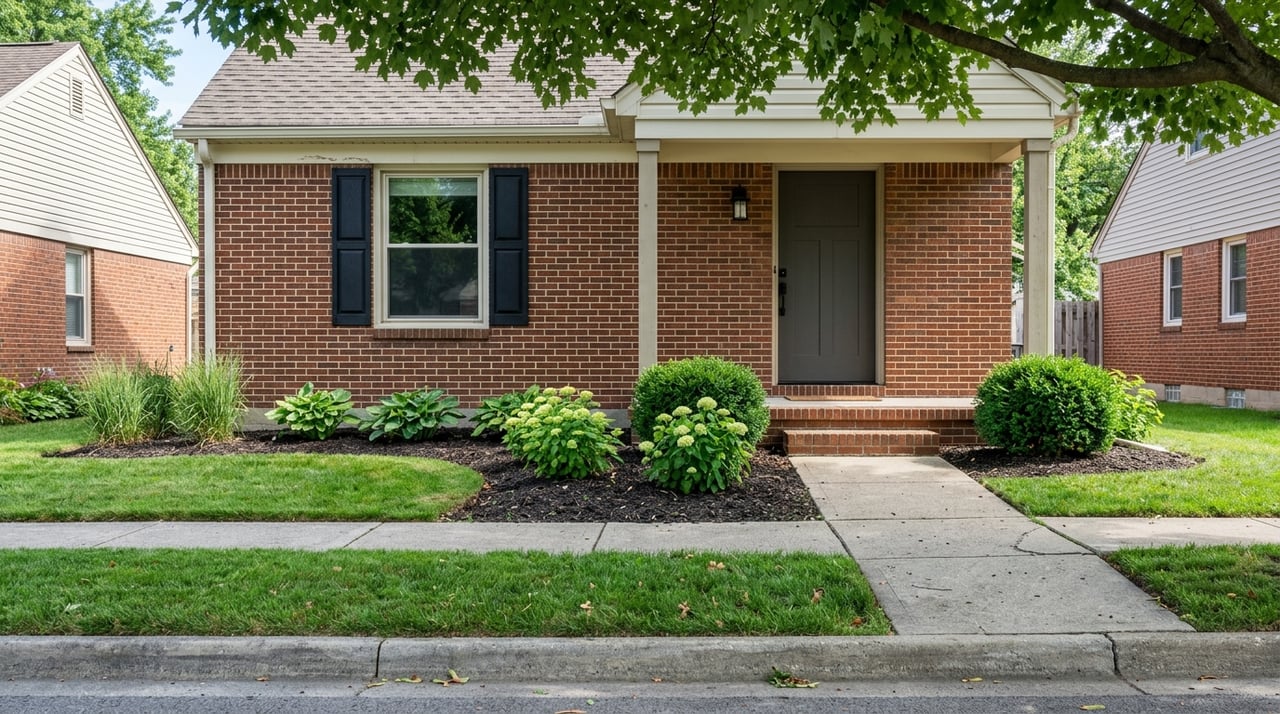
Ballwin HOA Communities Guide for Buyers and Sellers
July 2, 2026
July 2, 2026
If you are shopping for a home in Ballwin, it is easy to assume every HOA works about the same way. In reality, Ballwin HOA communities can look very different from one subdivision to the next, from the dues you pay to the amenities you use and the rules you follow. Understanding those differences can help you avoid surprises, compare neighborhoods more clearly, and make a smarter move. Let’s dive in.
One of the most important things to know is that there is no single “Ballwin HOA.” The City of Ballwin lists multiple subdivisions with their own websites and trustee information, including communities such as Claymont, Country Creek, Fox Creek, Woodsmill, and Westglen Woods.
That matters because each subdivision may have its own governing documents, budget, maintenance priorities, and amenity package. If you are buying or selling in Ballwin, you need to evaluate the specific HOA tied to the property, not just the city address.
Under Missouri law, a homeowners’ association is generally created to own and operate common ground or amenities and to assess members for those costs. In practice, that lines up with how many Ballwin subdivisions function. They are neighborhood-level associations that manage shared spaces and community responsibilities.
Ballwin is already known for having strong public recreation options, including a community center, an outdoor aquatic center, a 9-hole golf course, and parks with lakes and tennis courts. Because of that, an HOA community in Ballwin is often only part of the lifestyle picture.
When you compare neighborhoods, it helps to look at both private subdivision features and nearby city amenities. A community with fewer HOA amenities may still feel like a strong fit if it sits close to parks, trails, and recreation options you plan to use often.
Country Creek, for example, highlights access to Ballwin parks, walking trails, and recreation. That shows how buyers in Ballwin may be weighing public and private amenities together instead of focusing on HOA perks alone.
Many Ballwin HOA communities include shared-use spaces that shape day-to-day living. Woodsmill is one example, with a clubhouse, expansive common ground, and a lake for its 269-home subdivision.
Amenities like these can add convenience and community use value, but they also come with upkeep costs. If you are comparing homes, think beyond whether an amenity sounds attractive and ask how often you would actually use it.
Some communities also tie amenity access directly to dues status. Fox Creek’s pool policy states that residents and family members need proof that annual HOA dues have been paid in full before being admitted.
That kind of policy is worth understanding upfront. If amenities are a major reason you are considering a neighborhood, be sure you know exactly how access works.
HOA dues are an important part of your total housing budget. They are usually separate from your mortgage payment, so you should review them as a distinct monthly or annual cost when deciding what feels affordable.
In Ballwin communities, dues may cover much more than simple groundskeeping. Claymont says its fees go toward accounting and tax fees, electricity, water, lawncare, insurance, savings for larger maintenance projects, and social events.
That range is helpful because it shows what you are really paying for. In some neighborhoods, dues support visible amenities. In others, they may be helping maintain shared infrastructure, reserve funds, and administrative operations behind the scenes.
Claymont also notes that a management company handles accounting, fee collection, bill paying, and tax reporting. In other subdivisions, leadership may be more volunteer-driven through trustees or a resident board.
Before you buy into an HOA community, you should understand not just the current dues but the financial structure behind them. Publicly posted subdivision materials in Ballwin often include items such as bylaws, budgets, assessment information, and financial reports.
Those documents can give you a clearer picture of how the association operates. They may show whether the community is planning ahead for larger maintenance needs or whether there may be future budget pressure.
For sellers, this matters too. Buyers often look closely at dues, reserves, and HOA documentation during the decision process. A well-organized association can help support buyer confidence during resale.
HOA rules are not just technical paperwork. They often show up in very practical ways once you own the home.
In Woodsmill, residents are asked to submit a project request and review form for fences, additions, and other exterior projects. Claymont states that chain-link fences are not allowed and that owners still need to complete the Ballwin permit process when required.
If you hope to make exterior changes after you move in, these review steps are important. You will want to know what needs approval before starting work, how long review may take, and whether prior owners completed any required approvals for past improvements.
For sellers, this can matter just as much. If you recently added a fence, updated exterior features, or made other visible changes, buyers may want reassurance that those improvements aligned with HOA processes.
While HOA rules can be detailed, they are not unlimited. Missouri law allows associations to adopt reasonable rules for political signs and sale signs, but they cannot completely prohibit those signs.
Missouri law also says associations cannot prohibit rooftop solar panels. They may regulate reasonable details such as size, placement, and manner of display.
These rules are a reminder that HOA authority works within a legal framework. Even so, the details that affect your home most often will still come from the specific subdivision documents for the property you are considering.
Ballwin is served by both Parkway and Rockwood school districts. Some subdivision pages, such as Country Creek and Woodsmill, identify Parkway schools, but you should not assume a district based only on the Ballwin address.
The same idea applies to HOA expectations. Two homes in Ballwin may have very different dues, amenities, review procedures, and governing documents depending on the subdivision.
That is why property-specific research matters. If you are comparing homes in Ballwin, the finer details often make a bigger difference than the ZIP code.
If you are considering a home in a Ballwin HOA community, these questions can help you evaluate the full picture:
These questions can help you compare communities with more confidence. They also help you look past surface-level appeal and focus on the ownership experience you are actually buying into.
If you are selling a home in a Ballwin HOA community, preparation matters. Buyers may ask for HOA documents, dues information, and clarification about any exterior improvements you have made.
Having those details organized can make your home feel easier to evaluate and easier to move forward on. It also helps reduce friction once a buyer begins reviewing disclosures and neighborhood materials.
From a presentation standpoint, HOA living can also be part of the story when it is framed clearly and accurately. Shared common ground, lake access, a clubhouse, or proximity to Ballwin recreation may all be relevant features, but they should be presented with care and tied to the actual subdivision facts.
Ballwin HOA communities are not one-size-fits-all. Each subdivision can bring its own mix of dues, documents, amenities, rules, and resale considerations.
If you are buying, the goal is to understand the real cost and daily impact of the HOA before you commit. If you are selling, the goal is to present those details clearly so buyers can see the value and move forward with confidence.
If you want thoughtful guidance on buying or selling in Ballwin, including how to evaluate subdivision details and position a home with care, Christine Neskar offers a hands-on, tailored approach built around clarity, preparation, and smart local strategy.
Stay up to date on the latest real estate trends.

With decades of experience, proven negotiation skills, and a deep understanding of the St. Louis market, this professional guides clients through smooth, successful real estate journeys.