Chesterfield Newer vs Older Homes: How to Choose
June 18, 2026
June 18, 2026
If you are deciding between a newer build and an established home in Chesterfield, the right answer is rarely just about age. In this market, the better fit usually comes down to how you want to live, what kind of upkeep you are comfortable with, and which neighborhood setting feels right for your day-to-day life. This guide will help you compare the real tradeoffs, ask smarter questions, and move forward with more confidence. Let’s dive in.
Chesterfield is a largely owner-occupied suburban market with about 49,500 residents. The owner-occupied housing rate is 77.6%, and the median owner-occupied home value is $472,500. That gives you a good starting point for understanding why buyers here often compare long-established subdivisions with newer planned communities.
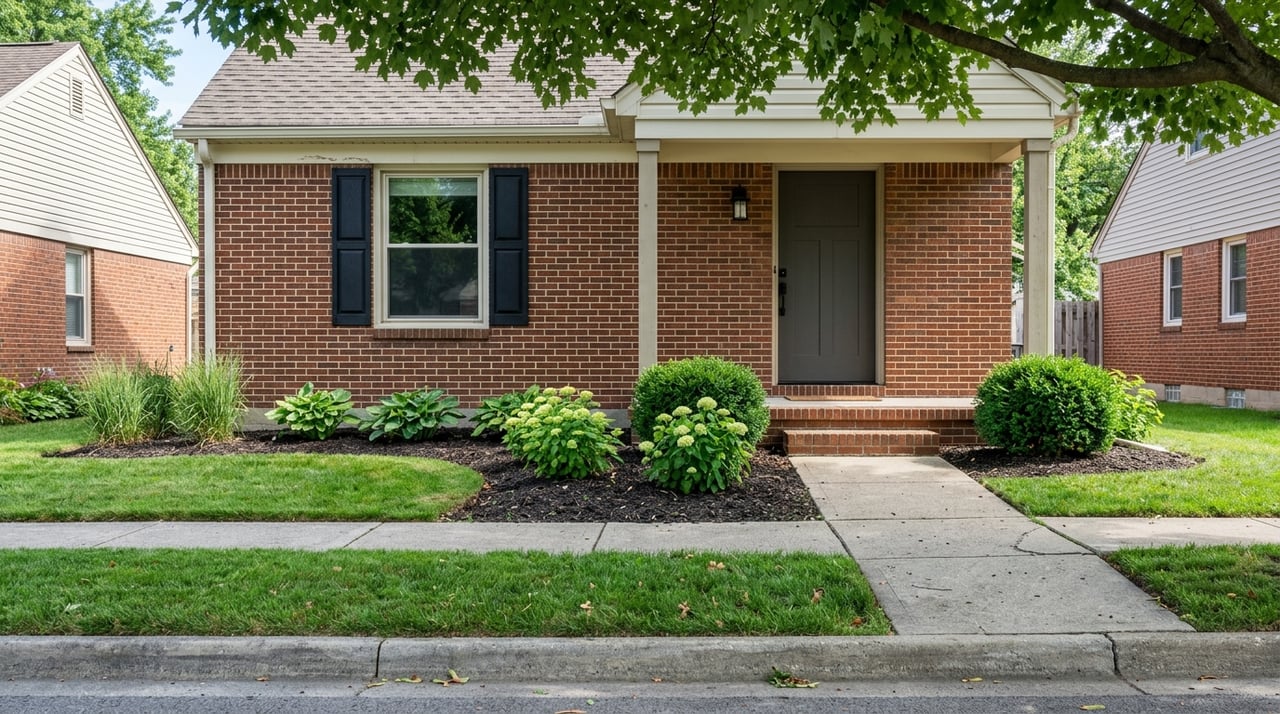
In Chesterfield, established neighborhoods are often the classic west county pattern many buyers expect. You will usually see detached homes, winding streets, cul-de-sacs, and layouts created by the original developer and later turned over to the city.
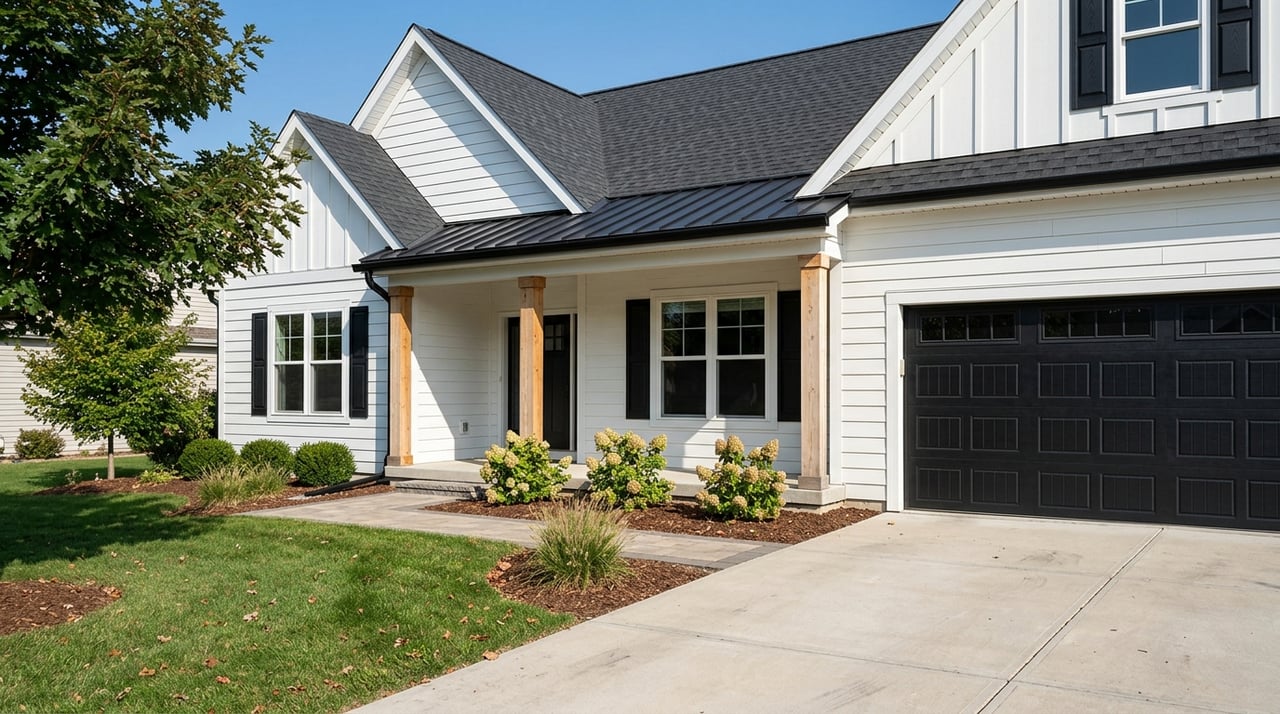
Newer development is more varied. Depending on where you look, you may find detached homes, attached homes, mixed-use residential settings, and planned communities with shared amenities and common ground.
Established homes often appeal to buyers who want a more traditional subdivision feel. In many parts of Chesterfield, these neighborhoods were developed one subdivision at a time, which means street layouts, lot shapes, and overall character can vary from one area to the next.
One of the biggest draws is mature landscaping. Chesterfield maintains about 17,300 street trees and continues active tree management citywide, which helps explain why many older areas feel shaded, settled, and visually established.
These homes may also offer a longer public record of neighborhood infrastructure and upkeep. If you are considering an established property, it is worth paying attention to nearby streets, sidewalks, curb ramps, and other public works items that may be part of future city reconstruction plans.
Older homes can come with more system-age questions. You will want to confirm the age and condition of major items like the roof, HVAC, windows, and water heater.
In Chesterfield, sanitary sewer laterals deserve special attention. The city’s sewer lateral program covers single-family homes and certain small residential buildings, charges a $28 annual assessment, and can reimburse up to $15,000 for eligible repairs. The city also notes that tree roots in older laterals are a routine maintenance issue.
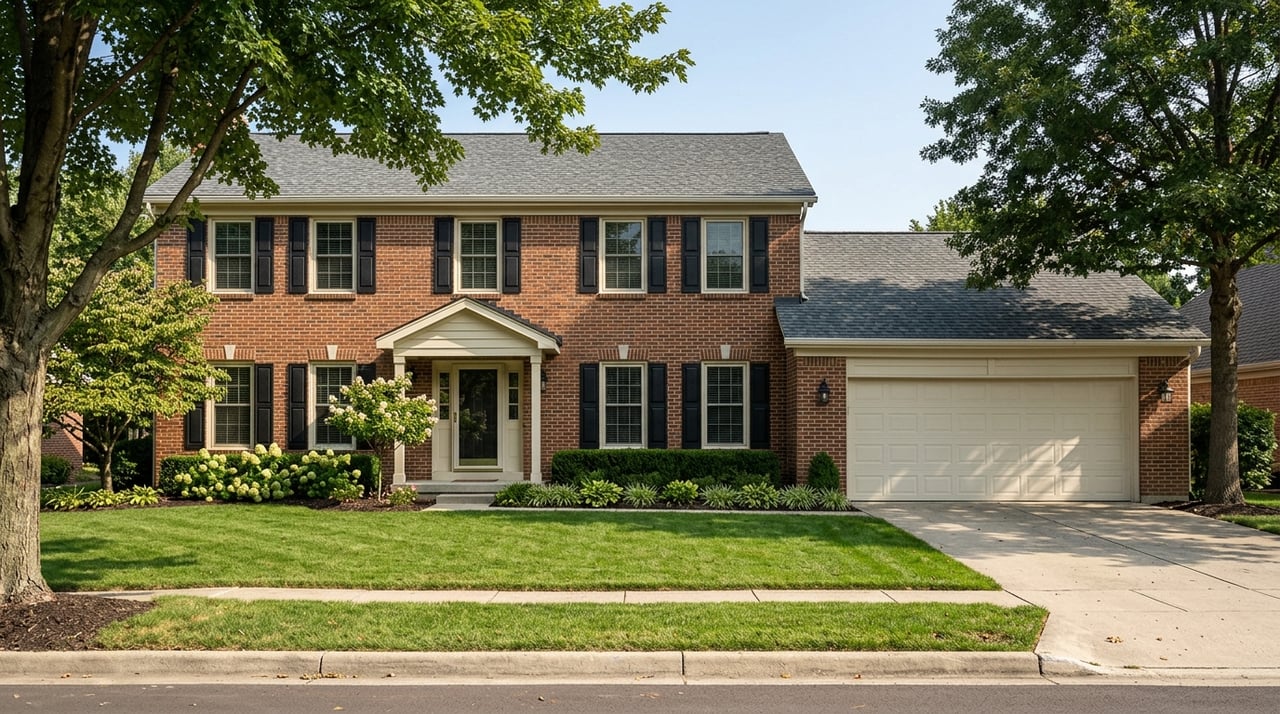
Newer builds in Chesterfield can offer a very different lifestyle. Instead of following only the older suburban pattern, recent projects may mix detached and attached homes, private roads, pocket parks, trails, internal sidewalks, and common ground.
That variety matters because newer does not always mean one thing here. One recent proposal included 39 detached homes and 42 attached units with pocket parks, a lookout point, a nature trail, and an 8-foot multi-use sidewalk. Another featured 35 single-family lots on 35 acres with 22,000-square-foot minimum lots, 110-foot widths, internal sidewalks, and 12.5 acres of common ground.
For many buyers, the biggest advantage is convenience by design. Newer master-planned streets often feel more walkable internally because current subdivision guidance generally expects sidewalks along most streets, with some exceptions such as cul-de-sacs and large-lot subdivisions.
A newer home is not always a low-maintenance home. In Chesterfield, the tradeoff may shift away from older systems and toward questions about drainage, common-ground responsibilities, private roads, and future development phases.
If a home is in Chesterfield Valley or another flood-sensitive area, you should also review floodplain-related details carefully. The city requires floodplain permits, no-rise certifications in floodways, and elevation certificates for new structures or substantial improvements in certain areas. Residential structures in those areas must meet elevation requirements tied to base flood elevation and the 100-year high-water elevation, where applicable.
One of the most common assumptions buyers make is that older homes always come with larger lots and newer homes always come with smaller ones. In Chesterfield, that is not always true.
Lot size here is development-specific rather than strictly age-specific. Older areas vary because they were platted one subdivision at a time, while newer communities can range from attached housing to larger planned developments with substantial common ground.
That means your search should focus less on the label of new or old and more on the actual site plan. A well-positioned buyer compares lot width, private outdoor space, common-ground access, street design, and how the home relates to neighboring properties.
When buyers picture life in Chesterfield, they are often choosing between two different experiences. One is the traditional subdivision character of older neighborhoods. The other is the planned-community convenience of newer developments.
Established neighborhoods often lean on mature trees, classic street patterns, and access to nearby city parks and trails rather than built-in amenity packages. Newer developments may include their own pocket parks, native landscaping, play equipment, trails, or lookout areas as part of the community design.
No matter which direction you prefer, Chesterfield offers a strong citywide amenity base. Central Park, the amphitheater, Family Aquatic Center, Chesterfield Valley Athletic Complex, Eberwein Park, Logan Park, Railroad Park, River’s Edge Park, Veterans Honor Park, and multiple trails and routes all add to the broader lifestyle picture.
Whether you are leaning toward a newer build or an established home, the smartest move is to ask property-specific questions early. A careful review can help you avoid surprises and compare homes on more than just finishes and photos.
If you value mature landscaping, a settled neighborhood feel, and a more traditional street pattern, an established home in Chesterfield may feel like the better fit. If you prefer connected amenities, newer planning, and a broader mix of housing styles, a newer development may line up better with your goals.
The key is to compare how each property functions, not just when it was built. A well-chosen home should support your lifestyle, your maintenance comfort level, and your long-term plans.
That is where a local, detail-focused approach can make a real difference. If you want help weighing newer builds against established homes in Chesterfield, Christine Neskar can help you evaluate the details, narrow your options, and move forward with clarity.
Stay up to date on the latest real estate trends.
With decades of experience, proven negotiation skills, and a deep understanding of the St. Louis market, this professional guides clients through smooth, successful real estate journeys.