Why Wildwood MO Outdoor Lifestyle Homes Appeal to Buyers
June 25, 2026
June 25, 2026
Are you buying or selling a home in Wildwood and wondering why outdoor living matters so much here? In this part of west St. Louis County, the outdoors is not just a bonus feature. It is part of how many people use their homes every day. If you want to understand what buyers notice, what sellers should highlight, and which features truly fit the local lifestyle, this guide will help. Let’s dive in.
Wildwood’s identity is closely tied to its natural setting. The city describes itself as a community of dense woodlands, rolling hills, valleys, meadows, and streams, with parks covering 11 of its 68 square miles. Its planning approach also continues to emphasize preserving rural character while guiding growth into designated areas.
That matters because homes in Wildwood often compete on more than square footage alone. Buyers are often drawn to how a property connects to the outdoors, whether that means privacy, views, usable yard space, or a layout that makes it easy to move between inside and outside living.
One of the clearest reasons outdoor living carries weight in Wildwood is the city’s trail and park system. The city says Wildwood has more than 35 miles of trails, including 18 miles of paved asphalt, and that outdoor users can travel almost 40 miles using asphalt trails and connector roads.
The Wildwood Greenway alone includes about 18 miles of asphalt trail, plus tunnels and bicycle and pedestrian bridges. It connects with places like Wildwood Town Center Plaza, Wildwood Community Park, shopping areas, schools, and numerous subdivisions throughout the city.
Wildwood also offers trail variety for different types of outdoor use. The Al Foster Trail follows the Meramec River for 5 miles on crushed stone, while the Bluff View Trail System offers a natural-surface route of about 12.7 miles round trip that is used by hikers, runners, mountain bikers, and equestrians.
Beyond city trails, nearby public land adds even more to the lifestyle. Rockwoods Reservation includes about 13 miles of foot trails on 1,880.8 acres, and Dr. Edmund A. Babler Memorial State Park offers multiple trail types, camping, and extensive picnic infrastructure.
Because outdoor access is part of everyday life here, buyers often look at a home through a practical lens. It is not only about whether a park is nearby. It is also about whether the property supports the way people actually live in Wildwood.
That usually makes a few home features stand out.
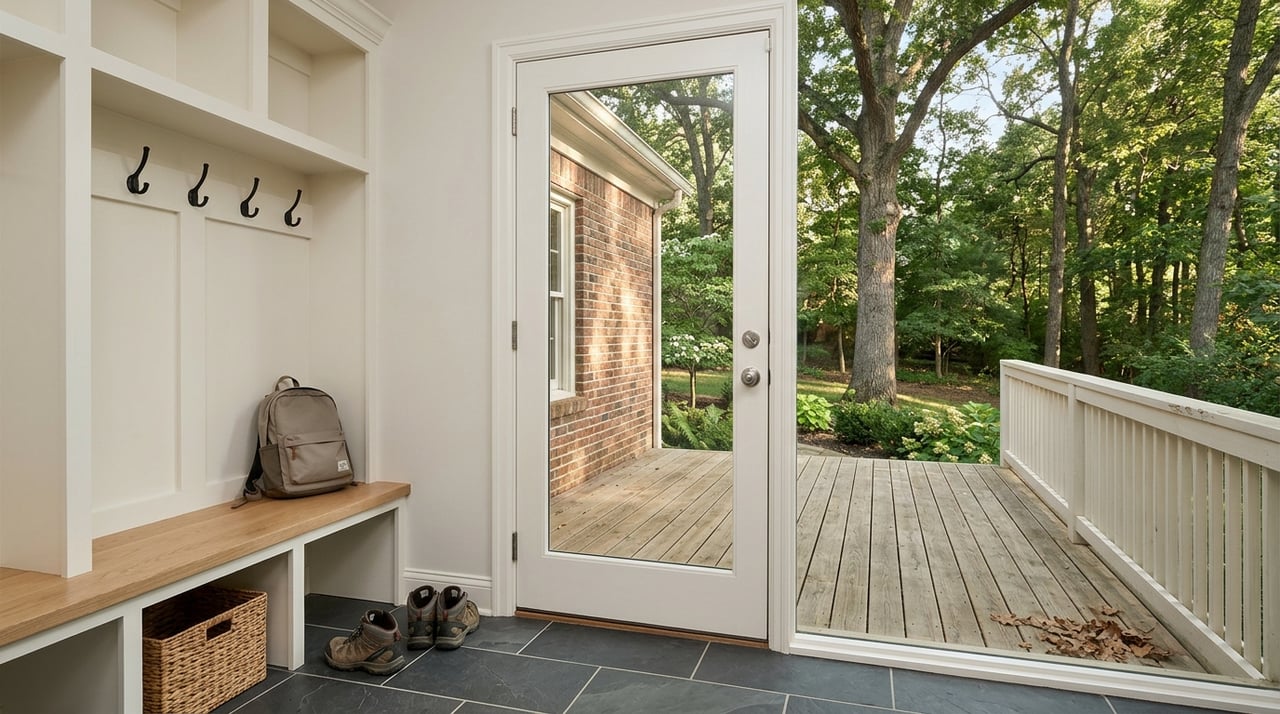
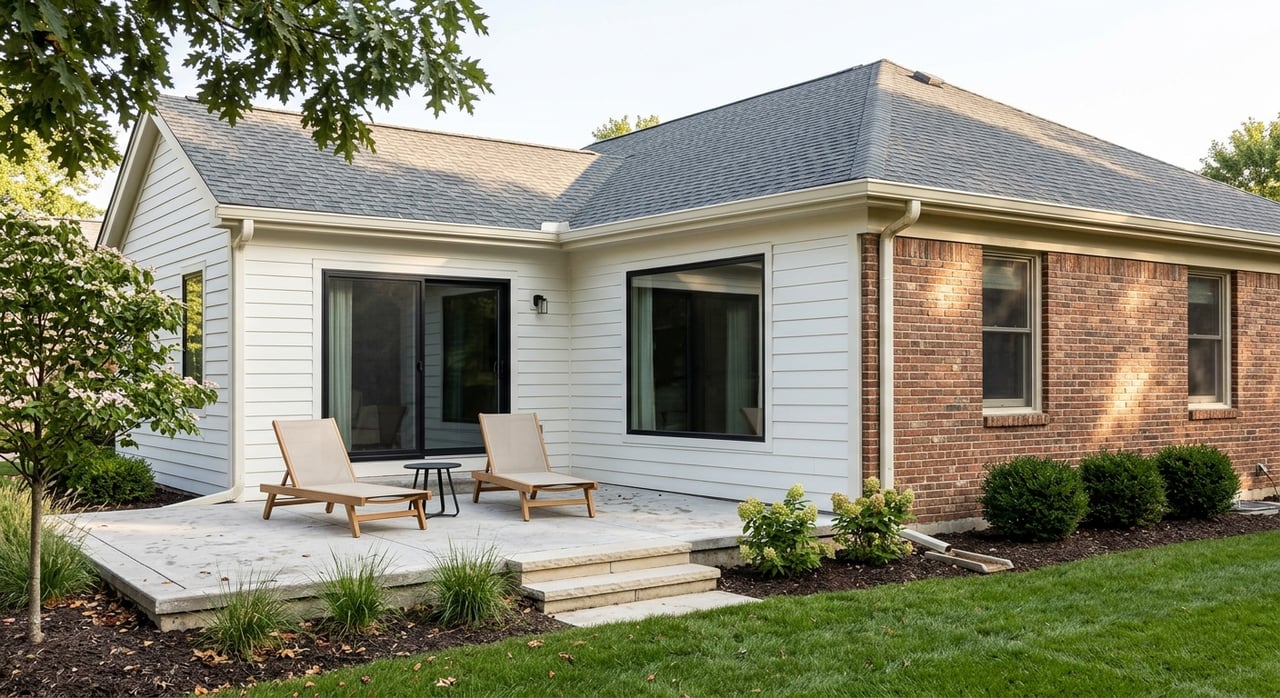
In Wildwood, a deck or patio can feel like an extension of the home rather than an afterthought. Screened porches, layered outdoor seating areas, and backyards with room to gather can make a property feel more connected to the local lifestyle.
This is especially true in a setting where people may spend weekends on trails, in parks, or simply enjoying a wooded homesite. When outdoor space feels intentional and easy to use, it can strengthen a home’s overall appeal.
Wildwood’s natural landscape is a major part of its identity, so homes tucked among mature trees or set on rolling terrain often align with what many buyers expect from the area. A yard with privacy, shade, or a view can feel especially fitting here.
That does not mean every buyer wants acreage or a highly secluded property. It means the surrounding setting often plays a larger role in buyer perception than it might in a more conventional suburban environment.
Homes that make it simple to move between interior gathering areas and outdoor spaces tend to match the rhythm of life in Wildwood. A kitchen or family room that opens to a deck, patio, or porch can make entertaining and daily use feel easier.
For buyers, that kind of layout often reads as practical and inviting. It supports everything from quiet mornings outside to hosting friends after a day on the trails.
Outdoor living in Wildwood is active, and active living creates gear. Bikes, muddy shoes, strollers, pet supplies, yard tools, and seasonal layers all need a place to go.
That is why mudrooms, bench-and-drop zones, organized garages, built-ins, and laundry areas near an entry can matter so much. These spaces may not be flashy, but they often make daily life smoother.
Wildwood outdoor living is not just a summer story. Regional climate normals for the St. Louis area show average daily highs of 89.6°F in July and 88.3°F in August, while January averages 44.5°F for the daily high and 28.5°F for the daily low. The area also averages about 41.7 inches of annual precipitation and 16.6 inches of annual snowfall.
That seasonality affects how homes function. In warmer months, decks, patios, and porches may carry more of the lifestyle value. In colder or wetter months, covered entries, durable flooring near doors, and practical storage become even more useful.
City and park operations reinforce that rhythm. Wildwood Community Park and Anniversary Park note that drinking fountains are seasonal and turned off in winter, while Babler’s campground has more limited off-season water access and shorter winter gate hours. Bluff View Trail also notes that conditions and experience change dramatically with the seasons.
Because Wildwood living shifts with the calendar, the best homes here tend to support outdoor use in every season. That might mean a shaded patio for summer, a screened porch for shoulder seasons, and an organized transition space for muddy or snowy days.
For buyers, this is a helpful way to evaluate a property. Instead of asking only whether the backyard looks nice in listing photos, ask how the home will function after a rainy hike, a summer bike ride, or a winter walk.
If you are selling a home in Wildwood, outdoor living should usually be framed as part of the property’s day-to-day function. The goal is not simply to say the home has a yard or a deck. It is to show how the home supports the local lifestyle.
A useful way to think about it is this: your house can be presented as a basecamp for Wildwood life. That includes outdoor enjoyment, practical organization, and a setting that reflects the area’s natural character.
When preparing your home for market, it helps to highlight features such as:
These details help buyers picture how the home lives, not just how it looks.
Presentation matters. A deck with clear seating zones or a patio that feels ready for conversation can help buyers see the purpose of the space right away.
Inside, clean transitions matter just as much. If a mudroom, garage entry, or laundry area supports outdoor living, that story should be easy to see during showings and in marketing photography.
In Wildwood, the strongest presentation often connects the property to the area’s broader lifestyle. That could mean emphasizing trail access, wooded surroundings, or the home’s ability to handle the gear and movement that come with an active household.
This kind of positioning feels especially effective because it reflects how the city presents itself: a place where preserved natural character and outdoor access are part of everyday living.
Outdoor living is not only about amenities. It is also about design choices that support the way you want to live.
For buyers, that means looking beyond a pretty backyard and paying attention to flow, storage, and year-round usability. For sellers, it means presenting those same features with intention so buyers can immediately understand their value.
In a market like Wildwood, those details can shape how a home is perceived. When a property feels aligned with the setting around it, the whole home can feel more cohesive and more compelling.
If you are thinking about buying or selling in Wildwood, a thoughtful strategy can help you see which features matter most and how to present them well. For personalized guidance on positioning your home or finding one that fits the way you live, connect with Christine Neskar.
Stay up to date on the latest real estate trends.
With decades of experience, proven negotiation skills, and a deep understanding of the St. Louis market, this professional guides clients through smooth, successful real estate journeys.